


The rich aroma of freshly roasted garlic and herbal rosemary wafts through my kitchen as I embark on the delightful journey of making Roasted Garlic and Rosemary Sourdough Bread. This isn’t just any bread; it’s a homemade masterpiece that transforms a simple sourdough into something truly indulgent. With its perfectly crunchy crust and soft, airy interior, this savory loaf pairs beautifully with everything from hearty soups to gourmet grilled cheese sandwiches. What’s more, it’s surprisingly easy to make, offering a perfect opportunity for novice bakers to shine. So, are you ready to elevate your bread game and impress everyone at the dinner table? Let’s dive into this recipe and unleash those captivating flavors together!
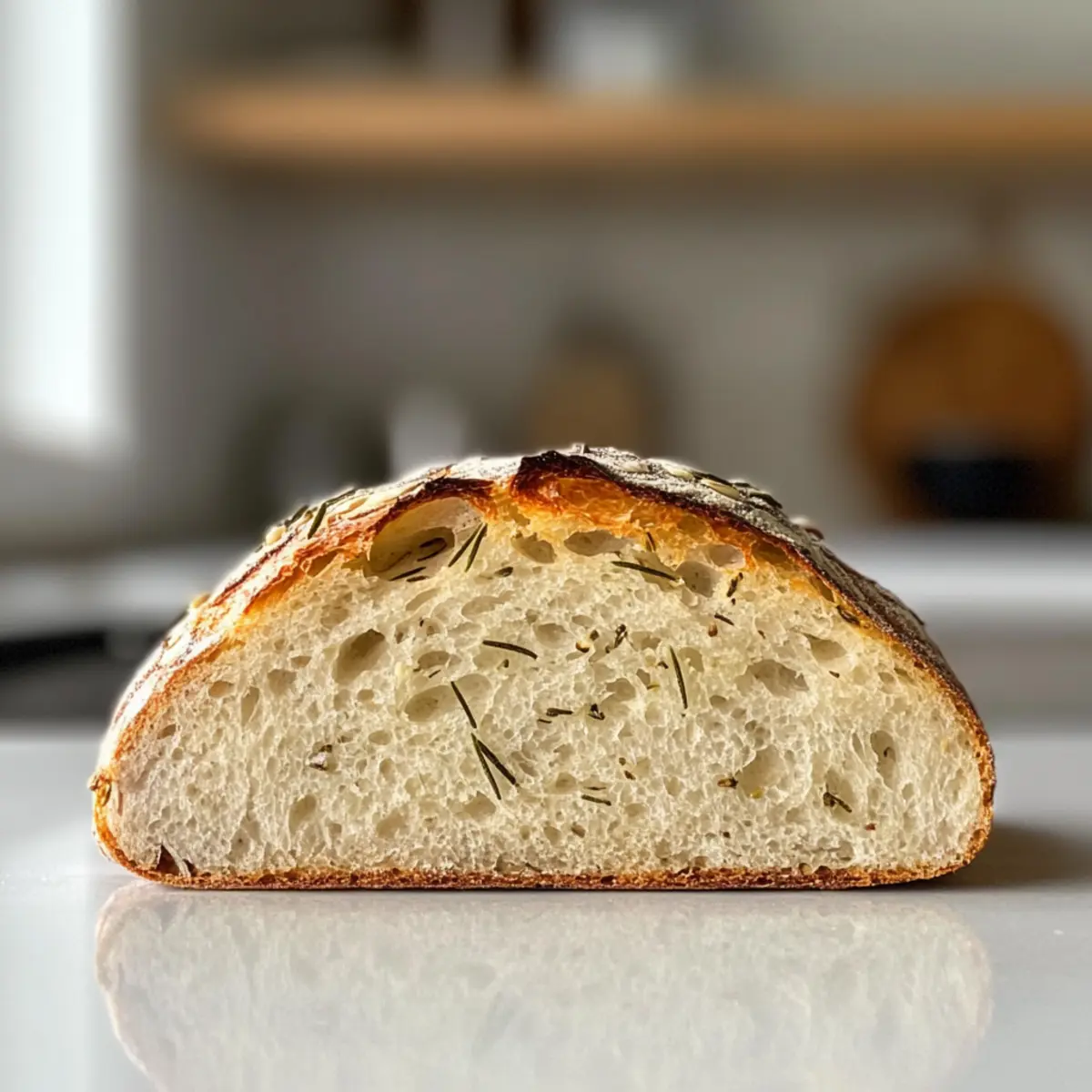
Why is this bread a game-changer?
Irresistible Flavor: The rich combination of roasted garlic and fresh rosemary elevates traditional sourdough to another level, making every bite a savory delight.
Simple Steps: Despite its gourmet appeal, the recipe is straightforward, perfect for novice bakers eager to impress at any gathering.
Versatile Pairing: This bread shines alongside soups, salads, or even as the base for decadent grilled cheese.
Homemade Appeal: With your own hands, you can create a freshly baked loaf that beats any store-bought option for taste and quality.
Crowd Favorite: Serve it warm, and watch it disappear—everyone will be coming back for seconds! For a delectable side, try it with some Garlic Butter Pork.
Roasted Garlic and Rosemary Sourdough Bread Ingredients
• Here’s what you’ll need to create this delightful loaf:
For the Dough
- Sourdough Starter – Essential for fermentation and flavor development; ensure it is active before use.
- Bread Flour – Provides structure and chewiness; all-purpose flour can be substituted if necessary.
- Water – Hydrates the dough, activating the starter; use filtered water for best results.
- Salt – Enhances flavor and strengthens gluten; sea salt is recommended for optimal taste.
For the Flavor
- Roasted Garlic – Adds deep, savory flavor; easily made by roasting whole bulbs in the oven.
- Fresh Rosemary – Offers an herbal note that beautifully complements the garlic; dried rosemary can be used in a pinch, but fresh is preferred for optimal flavor.
This Roasted Garlic and Rosemary Sourdough Bread is a perfect centerpiece for your next meal, ready to bring warmth and joy to your table!
Step‑by‑Step Instructions for Roasted Garlic and Rosemary Sourdough Bread
Step 1: Prepare the Dough
In a large mixing bowl, combine your active sourdough starter, bread flour, water, and salt. Use a wooden spoon or your hands to mix until all the ingredients are just combined, forming a shaggy dough. This initial mix should take about 2-3 minutes, and the dough might look a bit sticky. Cover with a damp cloth and let it rest for 30 minutes to allow the flour to fully hydrate.
Step 2: Incorporate Flavors
After the resting period, gently fold in the roasted garlic and chopped fresh rosemary into the dough. To do this, use your hands to stretch and fold the dough over itself until the flavors are integrated evenly. This should take around 2-4 minutes. You’ll know it’s ready when the garlic and rosemary are evenly dispersed throughout the dough. Cover again, and let it rest for another 30 minutes.
Step 3: Begin Proofing
Now, it’s time for the first proofing stage. Place the dough in a lightly greased bowl and cover it with a damp cloth or plastic wrap. Allow it to rise in a warm place for about 4-6 hours, or until it has doubled in size. To help develop gluten, perform stretch-and-fold techniques every 30 minutes during the first 2 hours of the proofing, gently stretching the dough and folding it over itself.
Step 4: Shape the Loaf
Once the dough has risen, turn it out onto a floured surface. Gently shape it into a round loaf by folding the edges toward the center and then flipping it over. Use your hands to create surface tension by tucking the dough underneath while turning it. This shaping should take about 2-3 minutes, and the dough should feel taut and well-formed.
Step 5: Final Proof
Transfer the shaped loaf to a proofing basket or a bowl lined with a floured kitchen towel, seam side up. Allow it to rest for 30-60 minutes, until it looks slightly puffy but not necessarily doubled in size. You may notice small bubbles forming on the surface, indicating that the dough is ready for baking.
Step 6: Preheat Oven
While the dough is resting, preheat your oven to 450°F (230°C). Place a cast iron Dutch oven or a baking stone inside to heat up. Additionally, add a pan of hot water to the bottom of the oven to create steam, which will help achieve a crispy crust on your Roasted Garlic and Rosemary Sourdough Bread.
Step 7: Bake the Bread
Gently flip the loaf from the proofing basket onto a piece of parchment paper. Carefully remove the hot Dutch oven from the oven, and using the parchment, transfer the loaf into the pot. Cover it with the lid and bake for 25-30 minutes. The bread should puff up beautifully, and the crust will turn a golden brown.
Step 8: Cool Before Slicing
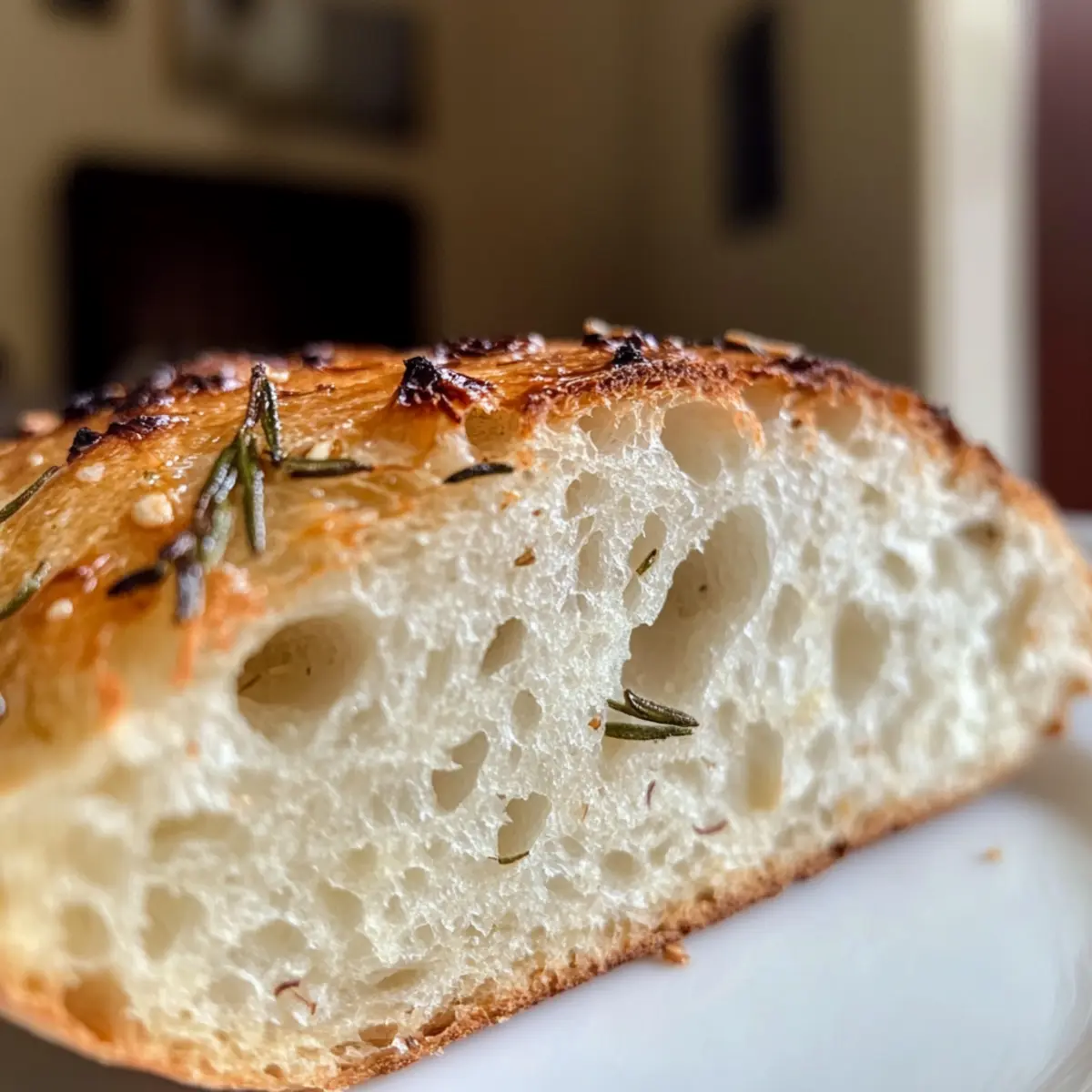
After baking, carefully remove the pot from the oven and transfer the bread to a wire rack. Allow the loaf to cool for at least 30 minutes before slicing. This resting period enhances its texture and flavor, making every bite of your Roasted Garlic and Rosemary Sourdough Bread a delightful experience.
Expert Tips for Roasted Garlic and Rosemary Sourdough Bread
-
Use Active Starter: Ensure your sourdough starter is bubbly and active before beginning. This is crucial for fermentation and achieving the perfect rise.
-
Check Dough Hydration: If your dough feels too sticky, no worries! A little extra flour on your hands can help while shaping without compromising the texture of your roasted garlic and rosemary sourdough bread.
-
Steam for Crust: Create steam for a crispy exterior by placing a pan of water at the bottom of your oven when baking. This simple step makes all the difference!
-
Monitor Baking Time: Avoid underbaking by using an instant-read thermometer; the internal temperature should reach at least 200°F (93°C) for the ideal texture.
-
Cool Thoroughly: Let your bread cool completely on a wire rack before slicing. This step ensures the flavors fully develop and gives you a delightful, airy texture.
Roasted Garlic and Rosemary Sourdough Bread Variations
Feel free to put your own spin on this delightful bread! Whether you’re craving different flavors or need to accommodate dietary preferences, here are some scrumptious variations to consider.
-
Onion Twist: Swap roasted garlic for roasted onions for a milder, sweeter flavor that still delivers depth. This subtle change brings a unique flavor profile that’s just as comforting.
-
Herb Infusion: Mix in other fresh herbs like thyme or oregano to add a fragrant twist to your loaf. Experiment with different combinations to create a touch of your personal garden in each bite.
-
Cheesy Delight: Incorporate chunks of your favorite cheese, like sharp cheddar or creamy feta, into the dough for a rich, savory surprise. The melting cheese will add a luxurious, gooey texture that your family will love.
-
Sun-Dried Tomato: For a burst of tanginess, add chopped sun-dried tomatoes along with the garlic and rosemary. This combination brightens each slice and pairs beautifully with soups or salads.
-
Spicy Kick: If you enjoy a little heat, throw in some crushed red pepper flakes or a dash of cayenne pepper. This gives your sourdough a delightful warmth that pairs well with creamy spreads.
-
Vegan Option: To make this recipe vegan-friendly, substitute the sourdough starter with a vegan-friendly version and use olive oil instead of butter dairy in any accompanying dishes. You can still enjoy all those lovely flavors guilt-free!
-
Nutty Crunch: For added texture, fold in toasted nuts like walnuts or pine nuts. This will create a lovely crunch that complements the soft bread and bursts of flavor from the garlic and rosemary.
Once you’ve mastered the art of sourdough, you may also enjoy baking delectable sides, such as Hour Garlic Breadsticks or a flavorful Roasted Potato Salad. There are endless possibilities to explore with this recipe!
How to Store and Freeze Roasted Garlic and Rosemary Sourdough Bread
Room Temperature: Store your bread in a paper bag at room temperature for up to 2-3 days to maintain its freshness and crust. Avoid using plastic, as it can lead to sogginess.
Fridge: While not recommended, if you live in a very humid climate, you can refrigerate the bread for up to a week. Be sure to wrap it in a cloth to lessen moisture.
Freezer: For longer storage, wrap the cooled loaf tightly in plastic wrap, followed by aluminum foil, and freeze it for up to 3 months. Slice the bread before freezing for easy serving.
Reheating: To rejuvenate the bread, reheat in a preheated oven at 350°F (175°C) for about 10-15 minutes or until warmed through, which will restore its lovely crust and texture.
Make Ahead Options
This Roasted Garlic and Rosemary Sourdough Bread is perfect for meal prep, allowing you to enjoy fresh-baked goodness even on the busiest days! You can prepare the dough up to 24 hours in advance; just mix it up to the shaping stage, then refrigerate the dough in a covered bowl. This slow fermentation enhances flavor and texture. When ready to bake, simply take it out of the fridge, shape the loaf, and let it rest for 30-60 minutes before preheating the oven. Remember to keep the dough covered to prevent it from drying out. With this make-ahead option, you’ll have delicious homemade bread with minimal last-minute effort!
What to Serve with Savory Roasted Garlic and Rosemary Sourdough Bread
Take your meal to new heights with these delightful pairings that enhance the inviting flavors of your homemade bread.
-
Creamy Tomato Soup: The rich, velvety texture creates a perfect dip for your crispy sourdough, blending harmoniously with its savory notes. Each bite offers a comforting experience reminiscent of childhood favorites.
-
Gourmet Grilled Cheese: Choose melty cheeses like Gruyère or sharp cheddar to complement the bread’s roasted garlic. The gooey cheese nestled between two slices brings warmth and joy to any table setting.
-
Herb-Infused Olive Oil: Drizzle a quality olive oil infused with fresh herbs for dipping. This simple enhancement elevates your sourdough experience, making every bite feel like an indulgence.
-
Roasted Vegetable Salad: The earthy flavors of roasted carrots, zucchini, and bell peppers add freshness and balance against the dense, warm bread. Tossed with a tangy vinaigrette, it creates a visual and flavorful feast.
-
Garlic Butter Shrimp: Sautéed shrimp in garlic butter makes for an elegant pairing. The succulent seafood adds a touch of luxury, making your dinner truly memorable and impressive.
-
Artisan Cheese Board: A selection of cheeses, nuts, and fruits provides a delightful complement to your sourdough. Mixing textures and flavors—like creamy brie with tangy berries—creates a vibrant tasting experience.
-
Spicy Pepper Relish: The heat and sweetness of a pepper relish contrast perfectly with the savory bread, adding a punch of flavor. Spread it lavishly, and let your taste buds embark on an exciting adventure.
-
Apple Crisp Dessert: For a sweet finish, enjoy your meal with warm apple crisp. The hint of cinnamon and sugar pairs well with the rustic, earthy flavors of your sourdough, making it a comforting end to a wonderful feast.
Roasted Garlic and Rosemary Sourdough Bread Recipe FAQs
How can I tell if my garlic is good to roast?
Absolutely! When selecting garlic for roasting, look for bulbs that feel firm and heavy with tightly closed skins. Avoid any that have dark spots, are sprouting green shoots, or feel soft to the touch. To roast, simply cut the top off a whole bulb and drizzle with olive oil before wrapping it in foil and baking at 400°F (200°C) for about 30-35 minutes, until it’s golden and caramelized.
What’s the best way to store my Roasted Garlic and Rosemary Sourdough Bread?
For the best preservation, store your bread in a paper bag at room temperature for 2-3 days. This method helps keep the crust crispy, letting it breathe. If you find you’re unable to finish the loaf in that time, feel free to freeze portions for later enjoyment!
Can I freeze this sourdough bread?
Absolutely! To freeze your Roasted Garlic and Rosemary Sourdough Bread, once it has completely cooled, wrap the loaf tightly in plastic wrap and then in aluminum foil. This prevents freezer burn and can keep it fresh for up to 3 months. For easy serving, consider slicing the bread before freezing, allowing you to take out only what you need!
What should I do if my dough isn’t rising properly?
Very commonly, dough can struggle to rise if your sourdough starter isn’t active enough. Ensure your starter is bubbly and has doubled in size before using. If it’s too cool in your kitchen, consider placing the dough in a warm spot, perhaps near a pre-heated oven or a sunny window. An ideal temperature for proofing is around 75-80°F (24-27°C), which helps the fermentation process.
Are there any dietary restrictions I should consider with this bread?
Sourdough is generally easier for many people to digest due to its fermentation process, which helps lower gluten levels. However, if you’re making this bread for others, always ask about specific allergies or dietary needs. For example, those with gluten sensitivities should avoid this recipe, as it still uses bread flour high in gluten.
Can I use dried rosemary instead of fresh?
While fresh rosemary provides the best flavor, if you’re in a pinch, you can indeed use dried rosemary! Just remember that dried herbs are more concentrated, so use only about a third of the amount. This adjustment will help maintain the balance of flavors in your delicious Roasted Garlic and Rosemary Sourdough Bread.

Irresistible Roasted Garlic and Rosemary Sourdough Bread Recipe
Ingredients
Equipment
Method
- In a large mixing bowl, combine your active sourdough starter, bread flour, water, and salt. Mix until combined and cover with a damp cloth. Let rest for 30 minutes.
- Gently fold in the roasted garlic and chopped fresh rosemary into the dough. Cover again and let it rest for another 30 minutes.
- Place the dough in a greased bowl, cover it, and let it rise for 4-6 hours, performing stretch-and-fold every 30 minutes during the first 2 hours.
- Gently shape the dough into a round loaf on a floured surface, then transfer to a proofing basket, seam side up, and allow to rest for 30-60 minutes.
- Preheat your oven to 450°F (230°C) and place a cast iron Dutch oven or baking stone inside to heat.
- Gently flip the loaf onto parchment paper and transfer it to the hot pot. Cover with the lid and bake for 25-30 minutes.
- Remove the pot from the oven and transfer the bread to a wire rack. Allow to cool for at least 30 minutes before slicing.