


“Can you believe summer is just around the corner?” my friend exclaimed as she sampled my latest creation. Taro Coconut Sago is not just a dessert; it’s a vibrant homage to tropical flavors that whispers of sunshine and warmth. This Asian treat combines the nutty essence of taro with the creamy richness of coconut milk, resulting in a delightful dish that’s as comforting as it is beautiful. The best part? With only five simple ingredients, Taro Coconut Sago is effortlessly easy to whip up, making it an ideal choice for both spontaneous cravings and festive gatherings. Plus, this dessert is vegan and gluten-free, allowing everyone to join in on the deliciousness. Are you ready to create a sweet masterpiece that’ll tantalize taste buds and bring smiles all around?
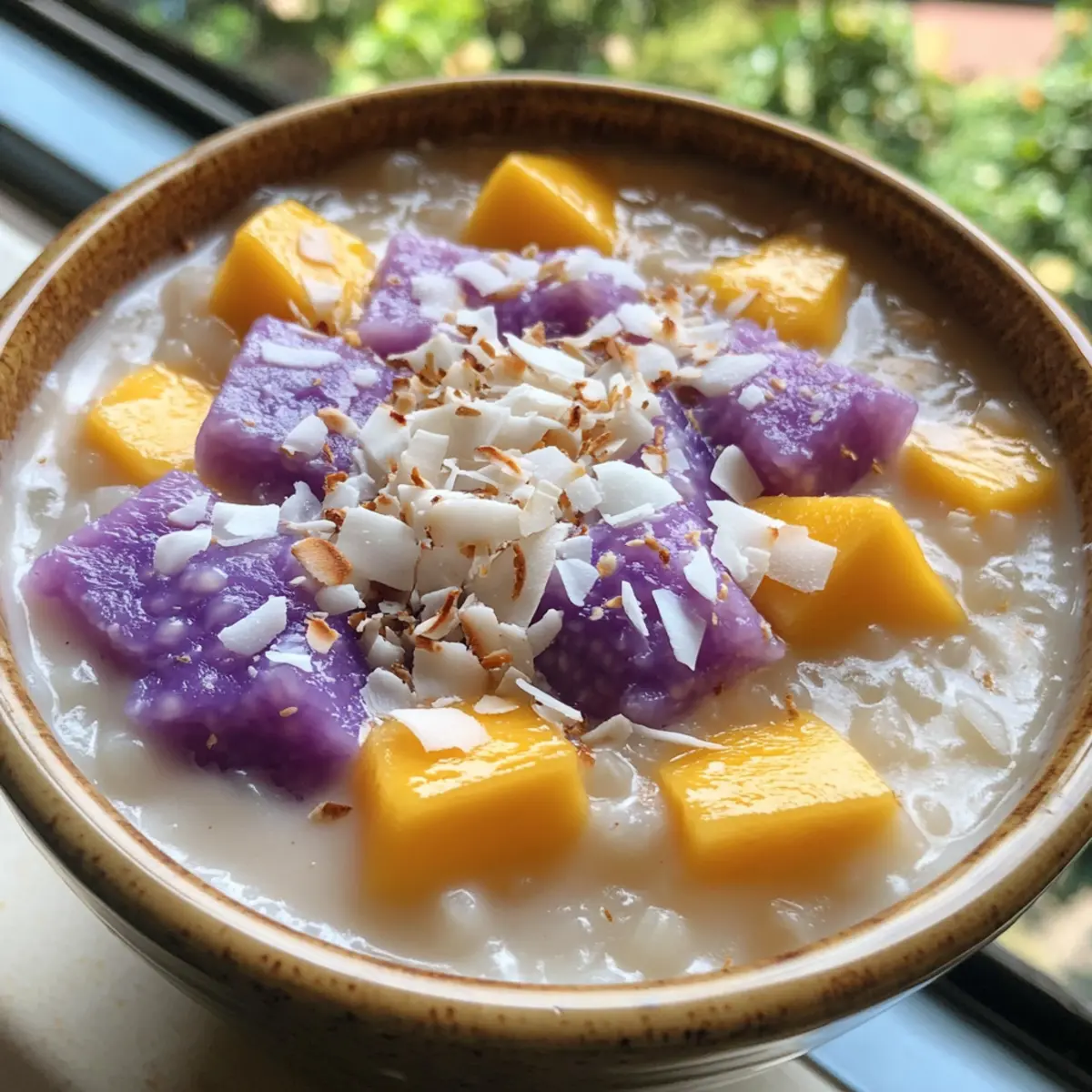
Why Is Taro Coconut Sago So Irresistible?
Simplicity at its Core: With just five ingredients, this recipe is perfect for busy cooks or anyone new to the kitchen.
Creamy Coconut Bliss: The rich coconut milk blends perfectly with the nutty taro, creating a flavor profile that dazzles the palate.
Vegan Delight: This dessert is not only satisfying but also caters to vegan diets, making it accessible to more people.
Versatile Option: Customize your Taro Coconut Sago by adding fruits like mango or a touch of brown sugar for extra depth. Don’t forget to try it chilled for a refreshing summer treat!
Cultural Touchstone: Enjoying Taro Coconut Sago is like taking a delicious journey through Asian traditions, perfect for festive occasions or everyday indulgence.
Quick and Easy: Ready in just under an hour, this dessert is a wonderful way to impress family and friends without spending all day in the kitchen.
Taro Coconut Sago Ingredients
• Elevate your dessert game!
For the Base
- Tapioca Pearls – Essential for that signature chewy texture; tapioca is a great choice for this luscious dessert.
- Taro – Provides a delightful nutty flavor and creamy texture; be sure to handle with gloves to avoid skin irritation.
- Coconut Milk – Adds rich creaminess; for a less pronounced coconut flavor, you can substitute with almond or oat milk.
For Sweetness
- Rock Sugar – Offers a subtle sweetness that complements the dish perfectly; if unavailable, feel free to use granulated sugar but adjust to your taste.
For Cooking
- Water – Crucial for boiling the tapioca pearls and cooking the taro to create a smooth base for your Taro Coconut Sago.
Step‑by‑Step Instructions for Taro Coconut Sago
Step 1: Boil Tapioca Pearls
Begin by bringing 5 cups of water to a rolling boil in a large pot. Once boiling, gently add the tapioca pearls and stir continuously for about 15 minutes. You’ll know they’re ready when the pearls are mostly translucent and slightly chewy. Afterward, turn off the heat, cover the pot, and let the pearls sit for an additional 10-15 minutes to finish cooking.
Step 2: Strain and Cool
Once the tapioca pearls have finished soaking, strain them in a fine-mesh sieve under cold running water to stop the cooking process. Next, immerse them in a bowl filled with cold water to ensure they remain separated and do not stick together. Set the cooled pearls aside as you prepare the rest of the Taro Coconut Sago.
Step 3: Prepare Taro
While the tapioca is cooling, take this time to prepare the taro root. Carefully peel the taro, using a knife while wearing gloves to protect your skin. Cut the taro into large chunks, about 1-inch in size, to ensure they cook evenly and absorb the flavors during cooking.
Step 4: Cook Taro
In a large pot, combine the taro chunks with enough water to cover them, adding the rock sugar for sweetness. Bring the mixture to a boil over medium heat, then reduce the heat to low and let it simmer for about 20 minutes. You’ll know the taro is ready when it’s tender and easily pierced with a fork.
Step 5: Add Coconut Milk
Once the taro is soft, gradually stir in the coconut milk, allowing it to blend smoothly with the taro and water mixture. Let the Taro Coconut Sago simmer for an additional 5 minutes, stirring occasionally. Taste the mixture at this stage and adjust the sweetness if desired by adding more rock sugar.
Step 6: Combine
Finally, drain the cooled tapioca pearls from their cold water bath and gently fold them into the warm taro and coconut mixture. Stir everything together until well combined. You can serve the Taro Coconut Sago warm for a comforting treat or chill it in the fridge for a refreshing dessert later on.
Make Ahead Options
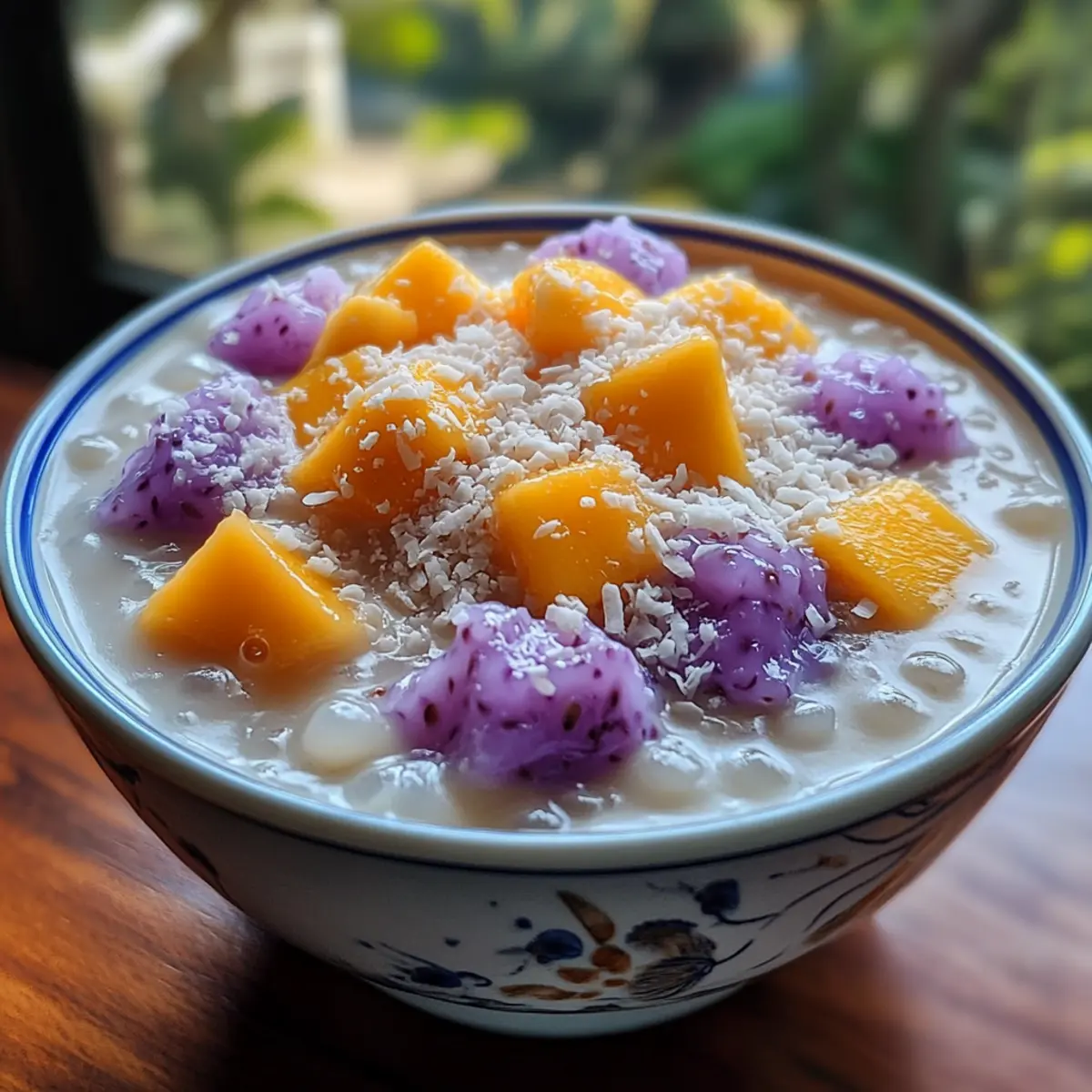
Taro Coconut Sago is a fantastic dessert for meal prep, allowing you to enjoy its creamy goodness without the last-minute rush. You can prepare the tapioca pearls and cook the taro up to 24 hours in advance; just store them separately in airtight containers in the refrigerator to preserve their texture. To retain the pearls’ chewiness, soak them in a bit of water after cooking, which prevents them from clumping. When you’re ready to serve, simply reheat the taro mixture, stir in the pearls, and add the coconut milk to warm everything through. This method ensures that your Taro Coconut Sago is just as delicious as when freshly made while saving you precious time on busy days!
How to Store and Freeze Taro Coconut Sago
Fridge: Keep your Taro Coconut Sago in an airtight container for up to 3 days. The texture may change slightly as it cools, but the flavors will still shine!
Freezer: For longer storage, freeze the Taro Coconut Sago in a freezer-safe container. It can last up to 2 months, but be aware that the tapioca pearls may become less chewy upon thawing.
Reheating: When you’re ready to enjoy it again, gently reheat the thawed Taro Coconut Sago on the stove over low heat. If it appears too thick, add a splash of water or coconut milk for creaminess.
Serving Chilled: If you prefer it chilled, simply refrigerate it overnight after preparing. Enjoying this dessert cold is refreshing and enhances the delightful blend of flavors!
Taro Coconut Sago Variations & Substitutions
Feel free to get creative with your Taro Coconut Sago and make it your own!
-
Sweet Potato: Substitute taro with purple or orange sweet potatoes for a unique flavor and vibrant color.
-
Fruit Addition: Add diced mango or a splash of durian to enhance the tropical experience; it brings an extra burst of flavor that truly shines.
-
Alternative Sweeteners: Use brown sugar or palm sugar instead of rock sugar for a deeper, caramel-like sweetness that complements the coconut beautifully.
-
Nutty Experience: Stir in crushed almonds or toasted coconut flakes for added crunch, creating a delightful contrast to the creamy texture.
-
Coconut Lime Twist: Add a squeeze of fresh lime juice for a zesty finish that complements the sweetness, refreshing your taste buds with every spoonful.
-
Coconut Water Base: For a lighter dessert, substitute part of the water with coconut water; it infuses a gentle coconut essence without being overpowering.
-
Vegan Creaminess: Swap coconut milk with cashew or oat milk for a slightly different creamy texture while still keeping it vegan-friendly.
Embrace these variations to craft a dessert that’s uniquely yours! If you’re inspired by tropical flavors, you might also enjoy trying out the refreshing [Blackberry Pineapple Coconut](https://recipetasted.com/blackberry-pineapple-and-coconut-swirl-italian-ice-pops-a-tropical-frozen-delight/), or perhaps a delightful [Coconut Lime Fish](https://recipetasted.com/coconut-lime-fish-soup-a-taste-of-the-tropics-in-every-spoonful/) for a savory twist on coconut. Experiment and relish the amazing flavors!
Expert Tips for Taro Coconut Sago
Handle Taro Carefully: Wearing gloves while peeling taro prevents skin irritation, allowing you to enjoy cooking without discomfort.
Simmer for Creaminess: If you prefer a richer texture, let the mixture simmer longer after adding coconut milk; this enhances the creaminess of your Taro Coconut Sago.
Adjust Sweetness Gradually: Start with less rock sugar and taste as you go. It’s easy to add more, but hard to correct if it becomes too sweet.
Perfect Tapioca Pearls: Stir the tapioca pearls continuously while boiling to prevent them from sticking to the bottom of the pot and ensure even cooking.
Chill for Refreshing Treat: For a cooler, refreshing dessert, let your Taro Coconut Sago chill overnight in the fridge. The flavors meld beautifully when served cold.
What to Serve with Taro Coconut Sago
Elevate your dining experience by pairing this delightful dessert with complementary bites and sips.
- Fresh Mango Slices: Juicy and sweet, mango adds a tropical freshness that balances the rich, creamy flavors of the sago.
- Coconut Flakes: Toasted or plain, coconut flakes enhance the coconut experience and add an enjoyable crunch to your dessert.
- Lychee Fruit: These delicate, fragrant fruits offer a floral note that harmonizes beautifully with the earthy taro. They can be a fun addition or garnish!
- Sesame Cookies: Crunchy and slightly nutty, sesame cookies provide an excellent textural contrast, creating a delightful bite with every spoonful.
- Ginger Tea: A warm cup of ginger tea pairs wonderfully with the dessert, offering a spicy contrast that clears the palate after enjoying the sweetness.
- Black Sesame Pudding: Rich and creamy, this traditional dessert complements the taro’s nuttiness while maintaining a consistent texture.
- Chilled Herbal Tea: For a refreshing non-sweet option, chilled herbal teas like chrysanthemum or jasmine provide a light taste that doesn’t overpower the sago.
- Almond Tofu: This silky dessert enhances the richness of the Taro Coconut Sago while adding a nutty flavor, creating a delicately balanced treat.
- Chocolate-Covered Almonds: The rich chocolate mingles with the creamy goodness of the sago, introducing a delightful twist with every mouthful.
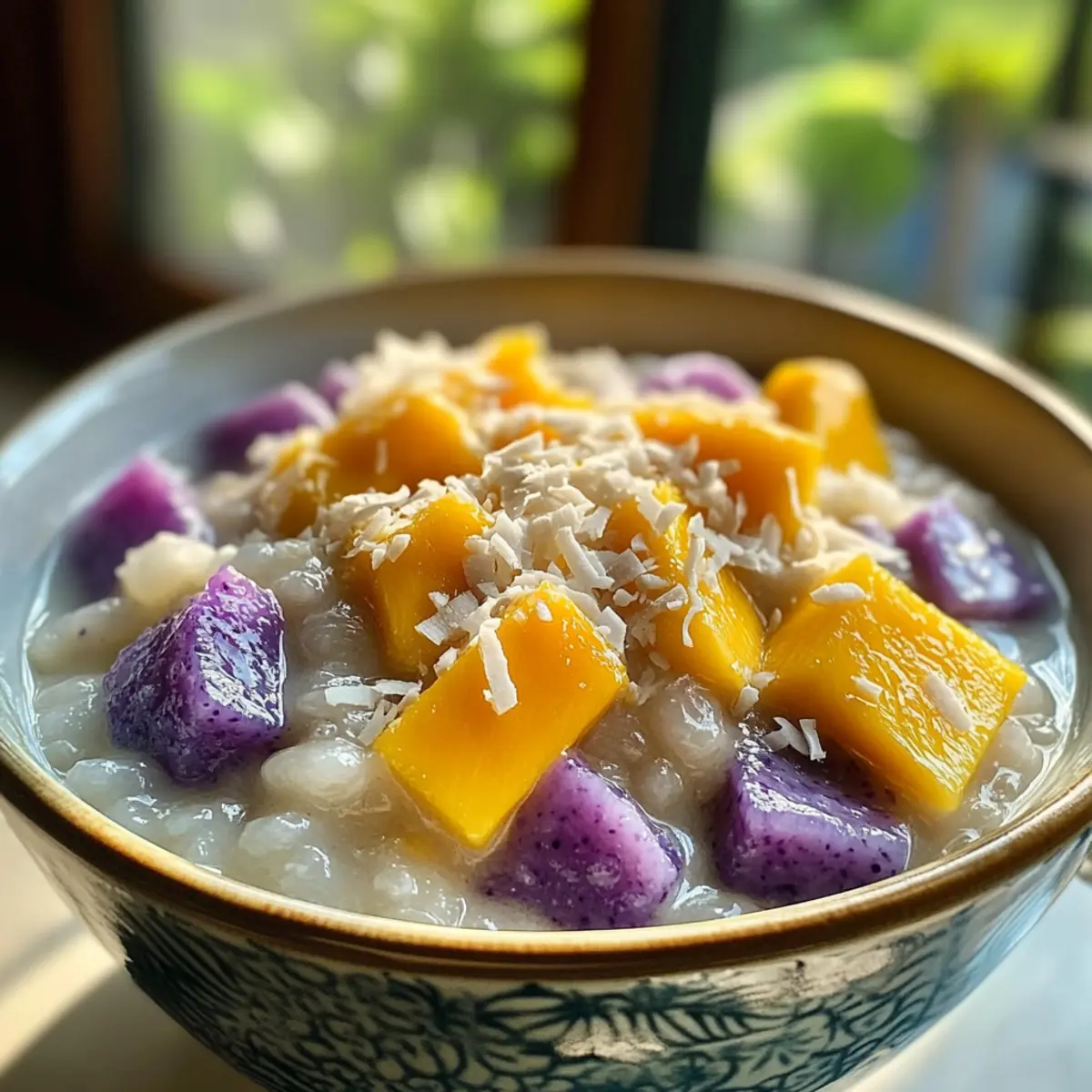
Taro Coconut Sago Recipe FAQs
How do I select ripe taro for this recipe?
Absolutely! When choosing taro, look for roots that are firm and smooth, without any dark spots or blemishes. The skin should be free from wrinkles, indicating freshness. If the taro feels soft or has visible bruising, it’s best to avoid those as they can affect the flavor and texture of your Taro Coconut Sago.
What’s the best way to store Taro Coconut Sago?
Very! Store your Taro Coconut Sago in an airtight container in the refrigerator for up to 3 days. While it may thicken slightly as it chills, the creamy flavors will remain intact. If you’re planning to store it longer, consider freezing it to preserve its delightful taste!
Can I freeze Taro Coconut Sago for later?
Absolutely! To freeze your Taro Coconut Sago, pour it into a freezer-safe container. It can be stored for up to 2 months. When you’re ready to enjoy it again, thaw it in the fridge overnight and gently reheat it on the stove over low heat, adding a splash of water or coconut milk to restore its creamy consistency.
What should I do if my tapioca pearls are too sticky?
If you find that your tapioca pearls ended up too sticky after cooking, don’t worry! The solution is to rinse them under cold water immediately after boiling. This stops the cooking process and helps separate the pearls. You can also stir the pearls gently during the cooking phase to prevent them from sticking together.
Are there any dietary considerations for Taro Coconut Sago?
Definitely! This recipe is vegan due to the use of coconut milk and rock sugar, making it perfectly suitable for plant-based diets. Additionally, it can be made gluten-free by ensuring that the tapioca pearls and any added sweeteners are gluten-free. Always double-check labels if you have allergies or dietary restrictions!
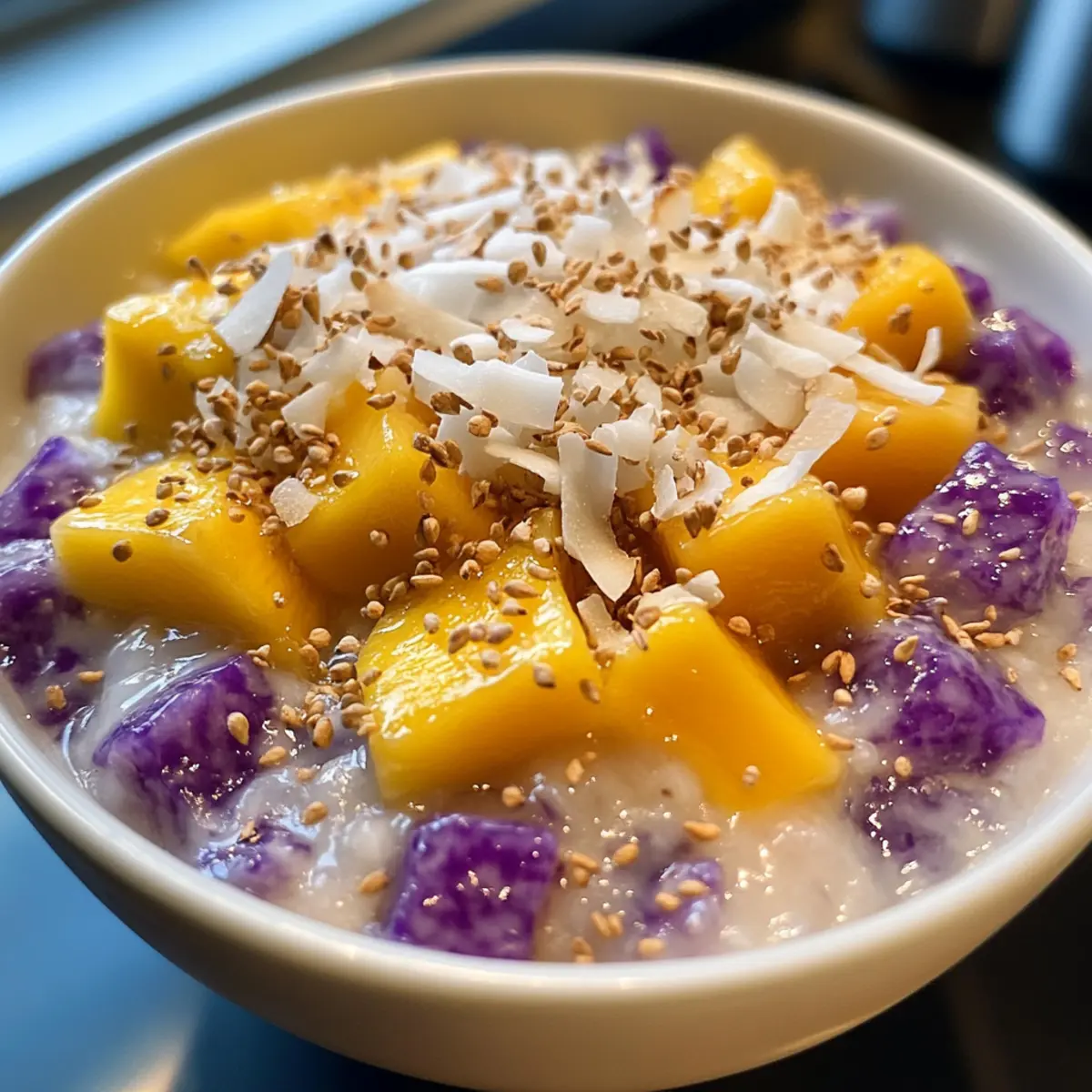
Taro Coconut Sago: A Silky Sweet Treat You’ll Love
Ingredients
Equipment
Method
- Boil the tapioca pearls by bringing 5 cups of water to a boil. Add the pearls and stir for about 15 minutes until mostly translucent and slightly chewy.
- Strain the cooked tapioca pearls under cold running water and immerse them in cold water to prevent sticking.
- Prepare the taro by peeling and cutting it into 1-inch chunks.
- In a pot, combine taro chunks, enough water to cover, and rock sugar. Boil, then simmer for 20 minutes until tender.
- Stir in the coconut milk and let it simmer for 5 minutes, adjusting sweetness if necessary.
- Combine the cooled tapioca pearls with the taro and coconut mixture and serve warm or chill in the fridge.