


The warm scent of pineapples and coconuts wafting through my kitchen transports me to sun-soaked beaches and tropical retreats. This is exactly the feeling I want to share with you as we dive into making my easy, quick, and delightful Pineapple Coconut Bread. Perfect for a leisurely breakfast or an afternoon pick-me-up, this bread is a treat that’s both satisfying and versatile. You can enjoy it as is, or customize it with nuts or added spices to elevate your experience. Not only is it gluten-free friendly but it’s also quick to whip up, making it ideal for any home chef looking to escape the mundane. Curious about how to create this perfect slice of paradise? Let’s get baking!
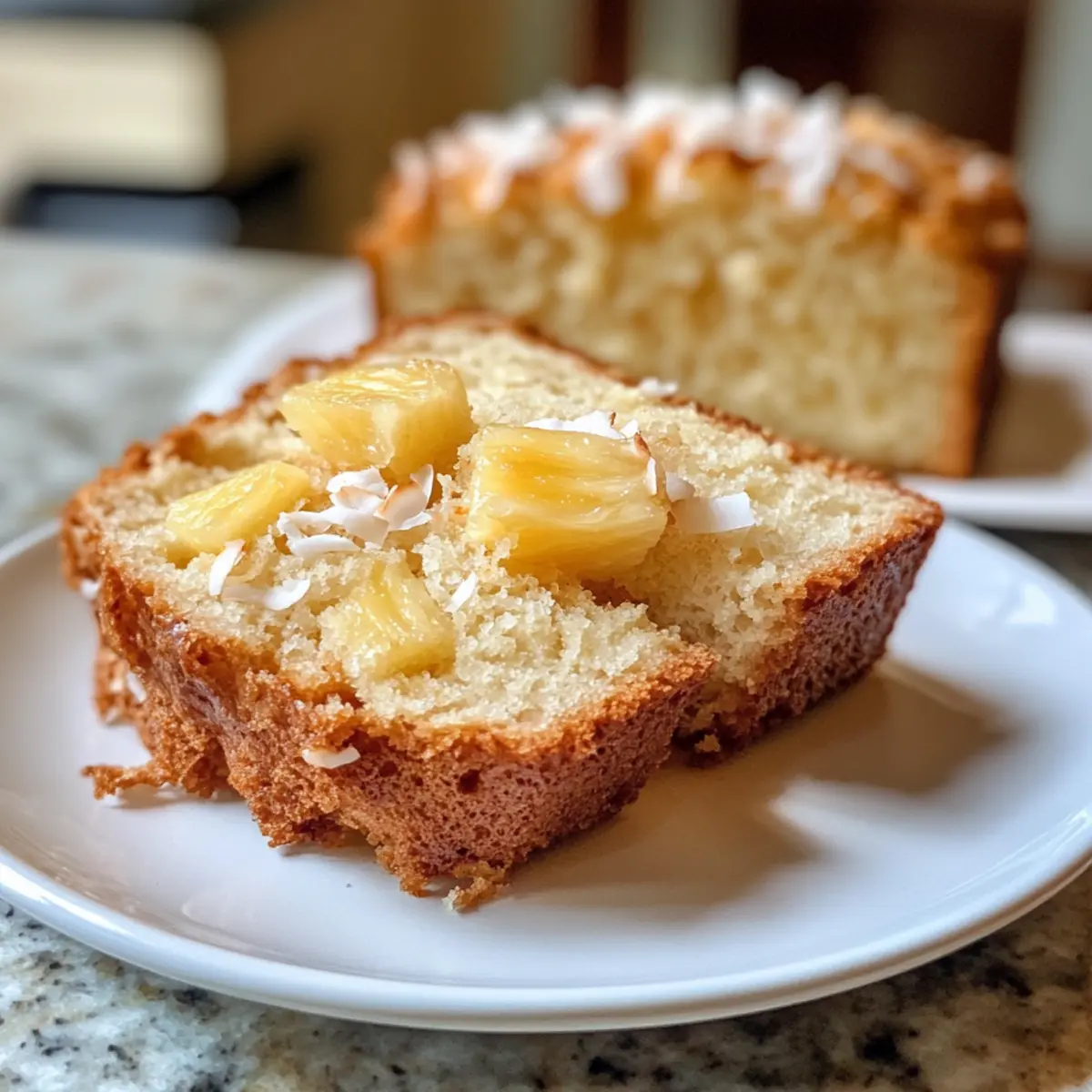
Why Is This Bread So Irresistible?
Tropical Escape: The combination of pineapple and coconut evokes a delightful island getaway in every bite.
Quick & Easy: With just a few simple ingredients, this recipe is perfect for bakers of all levels—you’ll have delicious bread in under an hour!
Versatile Options: Customize it with nuts like macadamia or walnuts for added crunch, or swap buttermilk for coconut milk to amplify the tropical flavor.
Crowd-Pleasing Treat: Ideal for breakfast, snacks, or a sweet addition to brunch; it pairs beautifully with coconut tea or a scoop of ice cream.
Gluten-Free Friendly: With easy substitutions, everyone can enjoy this delightful loaf regardless of dietary preferences. Dive into this recipe, and don’t forget to check out our Creamy Thai Coconut Shrimp Curry for more tropical inspiration!
Pineapple Coconut Bread Ingredients
For the Bread
- All-purpose flour – Provides the structure; substitute with a gluten-free blend for a gluten-free option.
- Granulated sugar – Sweetens the bread, balancing the tropical flavors beautifully.
- Baking powder – A leavening agent that helps the bread rise and become light.
- Baking soda – Works with the acid from the pineapple to create lift in the loaf.
- Salt – Enhances the overall flavor and balances the sweetness of the sugar.
- Unsweetened shredded coconut – Adds a chewy texture and floral coconut flavor to the mix.
- Crushed pineapple – Moistens the bread and imparts a tropical sweetness; ensure it’s finely chopped and drained well.
- Unsalted butter – Contributes richness for a delectable mouthfeel in each slice.
- Large eggs – Binds the ingredients together and adds structure to the bread.
- Vanilla extract – Deepens the flavor, making it even more comforting.
- Buttermilk – Adds moisture and tenderness; can be swapped for coconut milk to boost coconut flavor.
Optional Add-ins
- Chopped macadamia nuts or walnuts – For an added crunch and delightful texture variation.
- Spices like cinnamon or nutmeg – Experiment with these to take your flavor to the next tropical level.
Step‑by‑Step Instructions for Pineapple Coconut Bread
Step 1: Preheat and Prepare
Begin by preheating your oven to 350°F (175°C). While the oven heats, grease a 9×5-inch loaf pan with butter or cooking spray to ensure easy release after baking. This preparation step is key for our Pineapple Coconut Bread, as it sets the stage for a beautifully baked loaf.
Step 2: Mix Dry Ingredients
In a large mixing bowl, combine 2 cups of all-purpose flour, 1 cup of granulated sugar, 1 tablespoon of baking powder, 1/2 teaspoon of baking soda, 1/2 teaspoon of salt, and 1 cup of unsweetened shredded coconut. Use a whisk to mix these dry ingredients thoroughly, ensuring even distribution of the leavening agents—this will help your bread rise beautifully during baking.
Step 3: Combine Wet Ingredients
In a separate bowl, mix together 1/2 cup of melted unsalted butter, 2 large eggs, 1 teaspoon of vanilla extract, 1/2 cup of buttermilk, and 1 cup of crushed pineapple (well-drained). Stir these ingredients until the mixture is smooth and fully combined. The wet ingredients add moisture and flavor, making your Pineapple Coconut Bread irresistibly soft and tropical.
Step 4: Incorporate the Mixtures
Pour the wet ingredient mixture into the bowl of dry ingredients. Using a spatula, gently fold the wet and dry ingredients together until just combined; it’s okay if there are a few lumps. Avoid overmixing to ensure your Pineapple Coconut Bread retains its light and fluffy texture.
Step 5: Transfer to Loaf Pan
Carefully transfer the batter into the prepared loaf pan, using the spatula to smooth the top. This step ensures an even bake all around. The batter will be thick and luscious, filled with delightful bits of pineapple and coconut waiting to bake into a deliciously moist bread.
Step 6: Bake the Bread
Place the loaf pan in the preheated oven and bake for 55-60 minutes. Check for doneness by inserting a toothpick into the center; it should come out clean or with a few moist crumbs attached. The golden-brown top and fragrant aroma will signal that your Pineapple Coconut Bread is almost ready!
Step 7: Cool and Serve
Once baked, remove the loaf pan from the oven and allow it to cool for 10 minutes. Then, gently transfer the bread onto a wire rack to cool completely. This cooling process is essential for the perfect texture, making your tropical bread ready for slicing and serving.
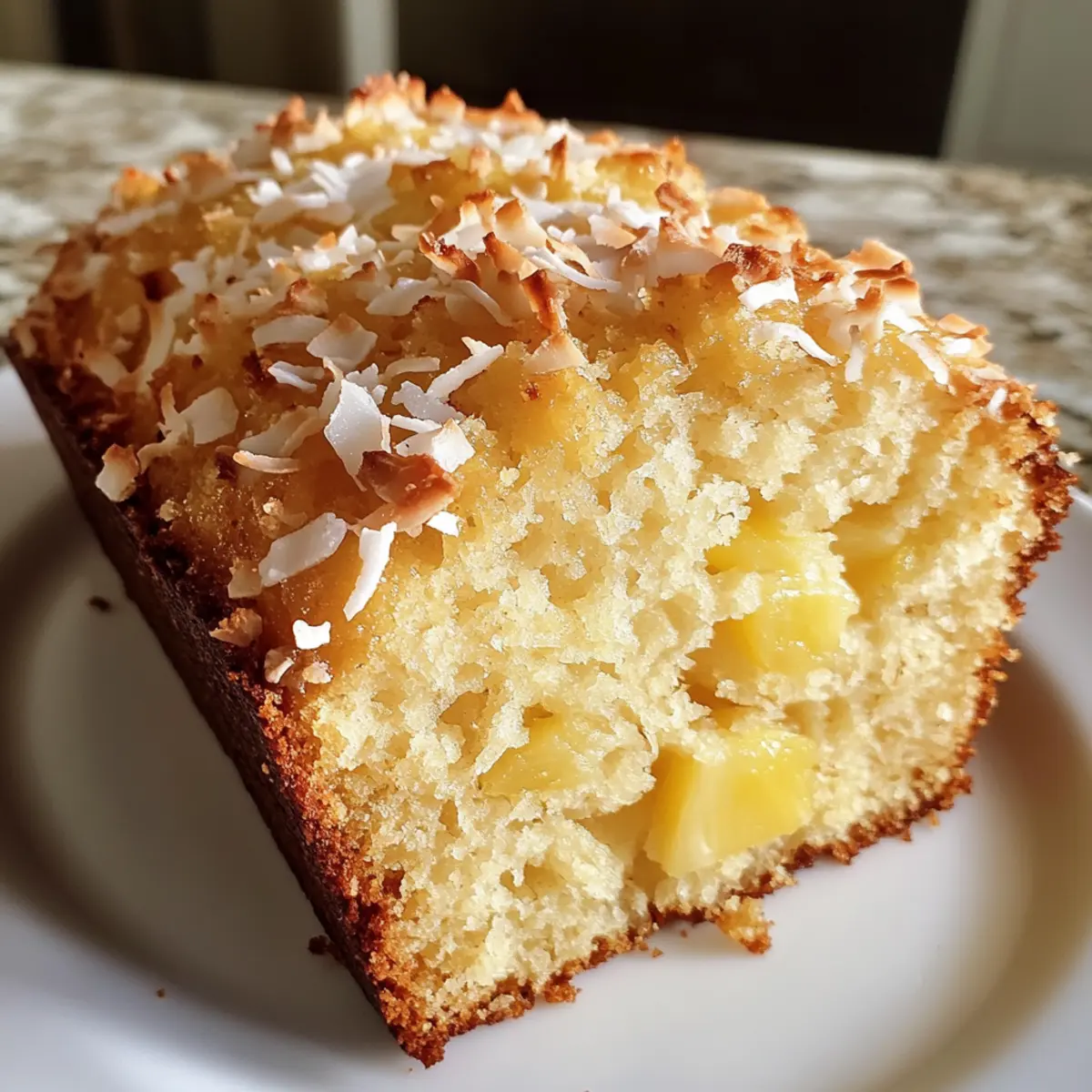
How to Store and Freeze Pineapple Coconut Bread
Room Temperature: Store the bread in an airtight container at room temperature for up to 3 days to maintain its delightful moisture and flavor.
Freezer: For long-term storage, wrap the bread tightly in plastic wrap and then in foil; it can be frozen for up to 3 months.
Thawing: To enjoy your frozen Pineapple Coconut Bread, simply thaw it in the refrigerator overnight or at room temperature for a few hours.
Reheating: If desired, reheat slices in the microwave for about 10-15 seconds or in a toaster for a warm, comforting treat!
Make Ahead Options
These Pineapple Coconut Bread loaves are perfect for busy home cooks who want a delightful treat without the last-minute rush! You can mix the dry ingredients (flour, sugar, baking powder, baking soda, salt, and shredded coconut) up to 24 hours in advance; just keep them stored in an airtight container to maintain freshness. Additionally, prepare the wet ingredients (butter, eggs, vanilla, buttermilk, and crushed pineapple) and refrigerate them overnight. When you’re ready to bake, simply combine the wet and dry mixtures and follow the remaining steps. This way, you’ll have a moist and flavorful bread with just a bit of prep on your part, making it easier to enjoy tropical bliss any day of the week!
What to Serve with Tropical Pineapple Coconut Bread
The perfect accompaniment can elevate your Pineapple Coconut Bread experience from delightful to extraordinary, creating a well-rounded meal that evokes tropical vibes.
-
Fresh Fruit Salad: A medley of vibrant fruits adds a refreshing contrast, enhancing the sweet and moist bread with a burst of color and flavor.
-
Creamy Greek Yogurt: The tangy profile of yogurt beautifully balances the sweetness of the bread, making it an ideal pairing for breakfast or a snack.
-
Coconut Tea: A fragrant cup of coconut tea mirrors the tropical ingredients, offering a warm and comforting beverage that complements each slice perfectly.
-
Vanilla Ice Cream: A scoop of creamy vanilla ice cream on the side transforms this bread into a dessert experience, making it decadently sweet and indulgent.
-
Honey Drizzle: A light drizzle of honey over warm slices enhances the sweetness, creating a simple yet delicious topping that brings out the tropical flavors.
-
Chopped Nuts: Sprinkle some chopped macadamia or walnuts for added texture; they provide a delightful crunch that contrasts with the soft bread.
-
Basil or Mint Garnish: Fresh herbs can elevate the presentation and add a burst of freshness, pairing beautifully with the tropical flavors of the bread.
-
Sparkling Water with Lime: For a refreshing non-alcoholic option, serve sparkling water with a slice of lime for a light and fizzy drink that cleanses the palate.
Pineapple Coconut Bread Variations
Embrace your inner chef and let your creativity shine with these delightful twists on our delicious bread recipe!
- Gluten-Free: Replace all-purpose flour with a gluten-free flour blend to ensure everyone can enjoy a slice of paradise.
- Nutty Crunch: Add chopped macadamia nuts or walnuts to the batter for an extra layer of texture and flavor.
- Coconut-Lime Fusion: Mix in the zest of one lime to enhance the tropical citrus notes and freshen up your bread.
- Spiced Delight: Incorporate a teaspoon of cinnamon or nutmeg into the dry ingredients for a warm flavor that complements the fruit beautifully.
- Fruit Medley: Toss in a handful of shredded carrots or mashed bananas for a moist bread with an added nutritional boost.
- Dairy-Free Option: Swap out buttermilk for coconut milk to amplify the coconut flavor and keep the recipe completely dairy-free.
- Tropical Twist: Instead of pineapple, use mashed bananas mixed with finely chopped mango for an exotic flavor combination!
- Sweet Topping: Drizzle a simple glaze made of powdered sugar and coconut milk on top after cooling for a sweet finish to your tropical delight.
Explore these variations or combine a few for a truly unique version of Pineapple Coconut Bread! If you’re looking for more inspiration, don’t miss out on our Coconut Lime Fish Soup, where summer flavors meet warm comfort.
Expert Tips for Perfect Pineapple Coconut Bread
Avoid Overmixing: Ensure a light and fluffy texture by mixing just until combined; a few lumps are perfectly fine.
Check Doneness: Insert a toothpick into the center of the loaf; if it comes out wet, continue baking for a few extra minutes.
Drain Pineapple: If using fresh pineapple, be sure to thoroughly drain it to prevent excess moisture in the batter, which could lead to sogginess.
Custom Add-Ins: Feel free to mix in chopped macadamia nuts or walnuts for added crunch, enhancing the overall experience of your Pineapple Coconut Bread.
Storage Tip: Store leftover bread in an airtight container at room temperature for up to three days, or freeze it wrapped tightly for up to three months.
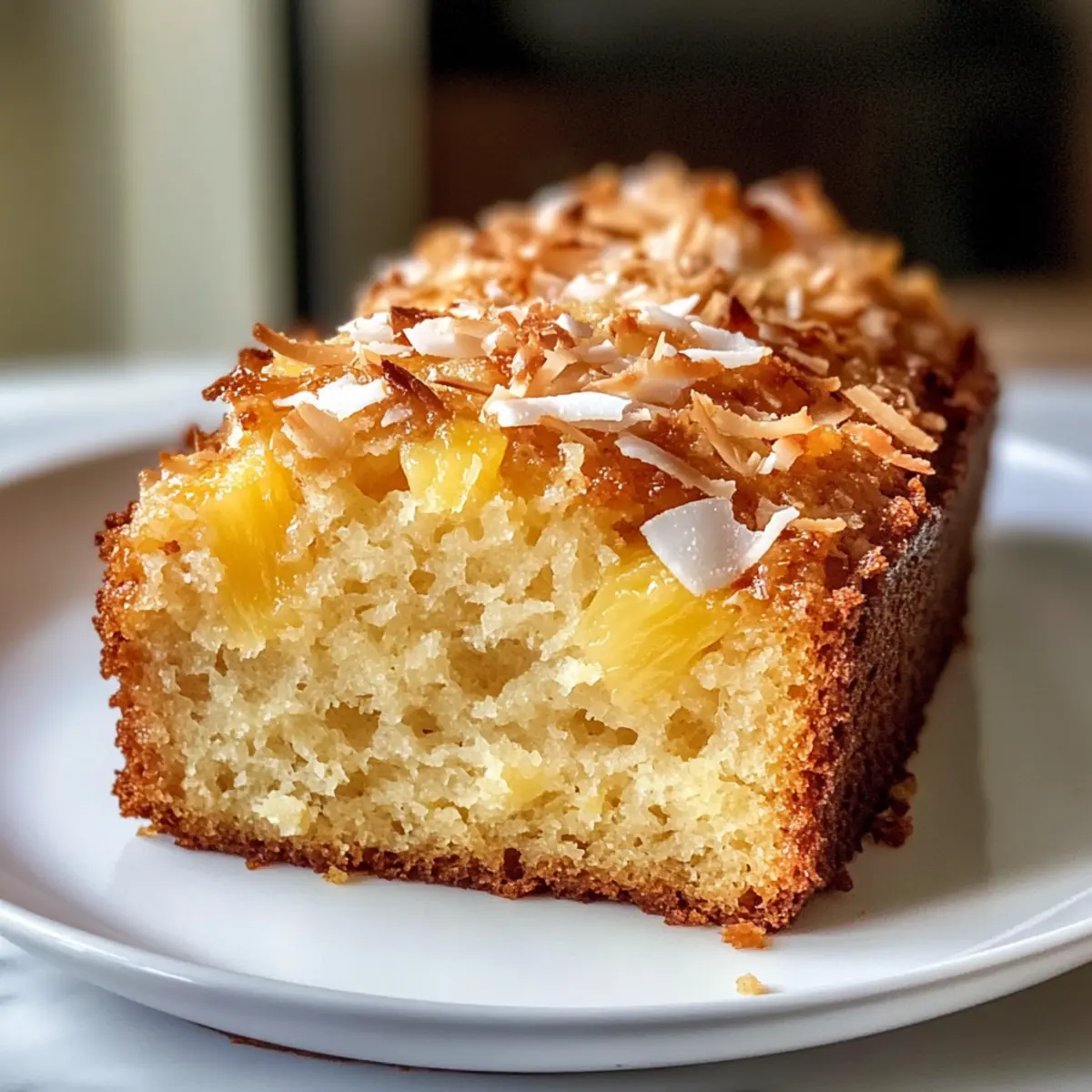
Pineapple Coconut Bread Recipe FAQs
What type of pineapple should I use for this recipe?
Absolutely! You can use fresh, canned, or even frozen pineapple. If using fresh, make sure to finely chop and drain it well, as adding too much moisture can make your bread soggy. Canned crushed pineapple is a fantastic time-saver, just ensure you drain it before mixing into your batter.
How should I store leftover Pineapple Coconut Bread?
I recommend placing your leftover bread in an airtight container at room temperature, where it will stay fresh for up to 3 days. If you want to keep it longer, wrap it tightly in plastic wrap and foil, and freeze it. Frozen, it can last for up to 3 months while retaining its delicious flavor.
Can I freeze Pineapple Coconut Bread?
Very much! To freeze, let the bread cool completely, then wrap it tightly in plastic wrap followed by a layer of foil or a freezer-safe bag. To thaw, simply place it in the refrigerator overnight. For a quick treat, leave it at room temperature for a few hours before serving.
What if my bread is too dense or doesn’t rise?
Common culprits for dense bread include overmixing the batter or using expired leavening agents. Ensure you mix until just combined—lumps are okay! Also, check that your baking powder and baking soda are fresh; they should be bubbly and active when added to the batter for the best rise.
Is Pineapple Coconut Bread safe for pets or those with allergies?
While Pineapple Coconut Bread is typically human-friendly, it might not be ideal for pets, particularly dogs, due to its sugar and fat content. If you have allergies, be mindful of any substitutions such as gluten-free flour or nut mixes. Always double-check ingredient labels for allergens like coconut or eggs before serving.
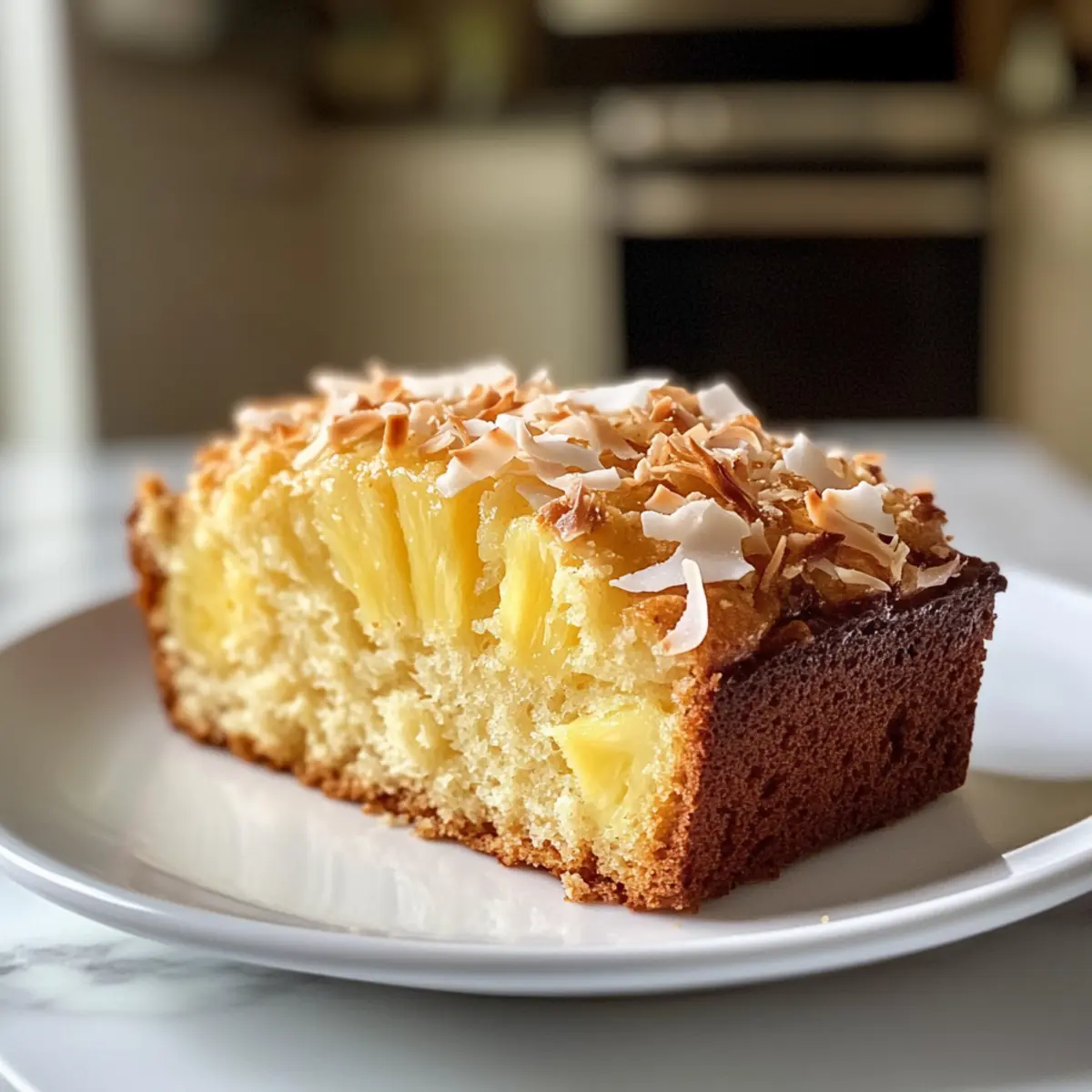
Delightful Pineapple Coconut Bread That's Quick and Easy!
Ingredients
Equipment
Method
- Preheat your oven to 350°F (175°C) and grease a 9×5-inch loaf pan.
- In a large mixing bowl, combine the dry ingredients and whisk thoroughly.
- In a separate bowl, mix the wet ingredients until smooth.
- Pour the wet mixture into the dry ingredients and fold gently until combined.
- Transfer the batter into the prepared loaf pan and smooth the top.
- Bake for 55-60 minutes, checking for doneness with a toothpick.
- Allow the bread to cool for 10 minutes before transferring to a rack to cool completely.