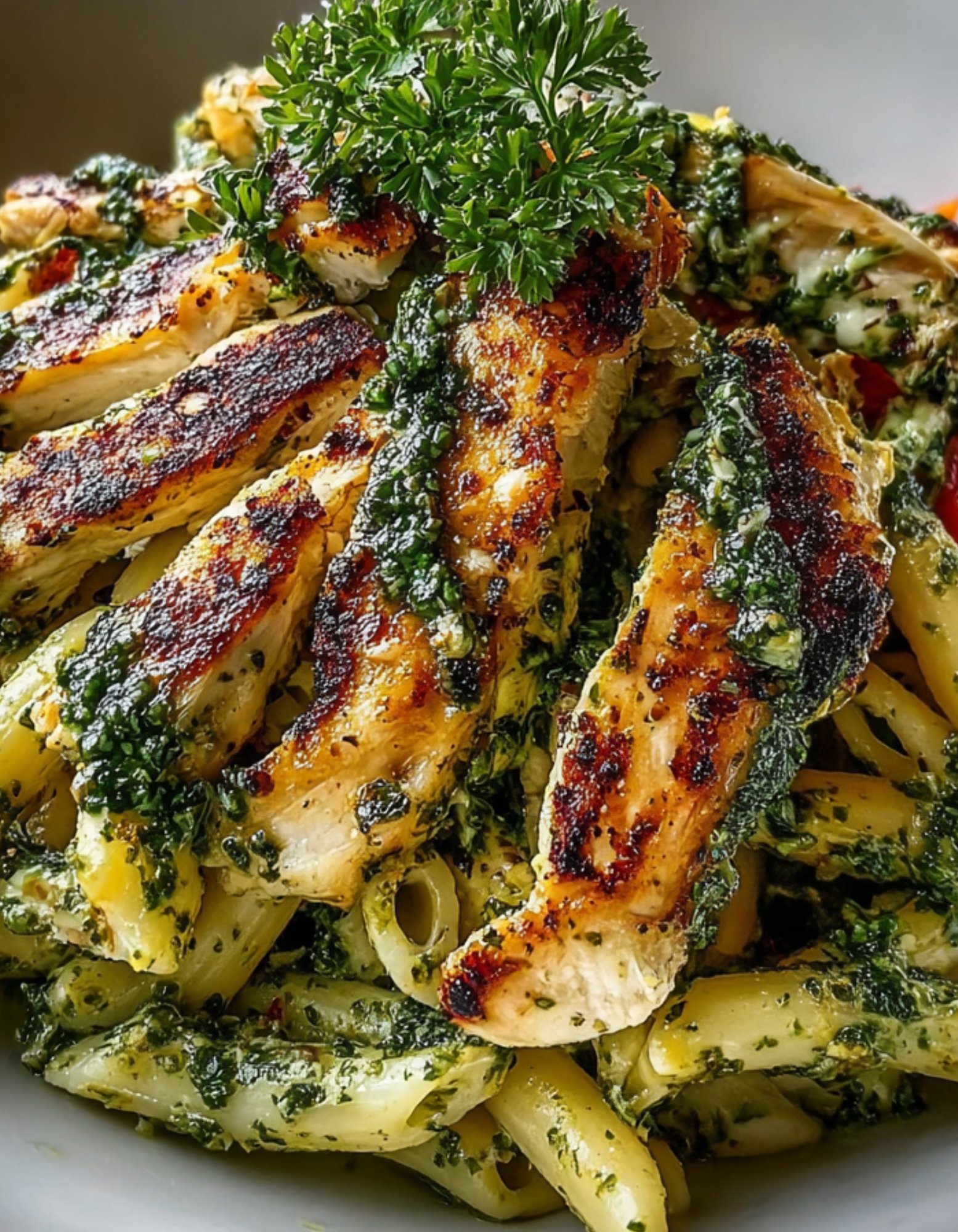
There’s something magical about a dish that brings together fresh flavors and comfort in one bowl. That’s exactly what you get with Basil Pesto Chicken Pasta. This recipe is a lifesaver for those busy weeknights when you want to whip up something delicious without spending hours in the kitchen. With just a handful of ingredients, you can create a meal that not only satisfies your hunger but also impresses your loved ones. Trust me, once you try this quick and flavorful delight, it will become a staple in your home cooking repertoire.
Why You’ll Love This Basil Pesto Chicken Pasta
This Basil Pesto Chicken Pasta is a game-changer for anyone juggling a busy schedule. It’s quick to prepare, taking just 30 minutes from start to finish. The vibrant flavors of fresh basil and garlic dance together, creating a dish that’s both satisfying and impressive. Plus, it’s versatile! You can easily customize it to suit your taste or dietary needs. Who wouldn’t love a meal that’s this easy and delicious?
Ingredients for Basil Pesto Chicken Pasta
Gathering the right ingredients is the first step to creating a memorable meal. For this Basil Pesto Chicken Pasta, you’ll need a few key players that come together to create a symphony of flavors.
Uncooked pasta: Penne or fusilli works best, but feel free to use your favorite type. The pasta serves as the hearty base for this dish.
Boneless, skinless chicken breasts: A lean protein that cooks quickly and absorbs the delicious pesto flavors. You can substitute with tofu or chickpeas for a vegetarian option.
Fresh basil leaves: The star of the show! Fresh basil gives the pesto its vibrant flavor and aroma. Look for bright green leaves without any browning.
Grated Parmesan cheese: This adds a rich, nutty flavor to the pesto. If you’re looking for a dairy-free option, nutritional yeast can be a great substitute.
Extra virgin olive oil: A high-quality oil enhances the pesto’s texture and flavor. It’s also a healthy fat that brings everything together.
Garlic: Minced garlic adds a punch of flavor. If you’re a garlic lover, don’t be shy—add a bit more!
Pine nuts (or walnuts): These nuts provide a creamy texture to the pesto. If you’re on a budget, walnuts are a great alternative.
Salt and pepper: Essential for seasoning. Adjust to your taste for the perfect balance.
Cherry tomatoes: Halved for a burst of sweetness and color. They add freshness to the dish.
Red pepper flakes (optional): For those who enjoy a little heat, these flakes can elevate the dish to a new level.
For exact measurements, check the bottom of the article where you can find everything listed for easy printing. Now that you have your ingredients ready, let’s dive into the cooking process!
How to Make Basil Pesto Chicken Pasta
Now that you have your ingredients ready, let’s get cooking! This Basil Pesto Chicken Pasta comes together in just a few simple steps. Follow along, and you’ll have a delicious meal on the table in no time.
Step 1: Cook the Pasta
Start by boiling a large pot of salted water. Once it’s bubbling, add your uncooked pasta. Cook according to the package instructions until it’s al dente. This usually takes about 8-10 minutes. Remember to stir occasionally to prevent sticking. When it’s done, drain the pasta, but save about half a cup of that starchy pasta water. It’ll help loosen the sauce later!
Step 2: Prepare the Chicken
While the pasta is cooking, season your chicken breasts with salt and pepper. Heat a tablespoon of olive oil in a large skillet over medium heat. Once the oil is hot, add the chicken. Cook for about 6-7 minutes on each side, or until the chicken is golden brown and no longer pink in the center. Use a meat thermometer if you have one; the internal temperature should reach 165°F. After cooking, let the chicken rest for a few minutes before slicing it into bite-sized pieces.
Step 3: Make the Pesto
Now for the fun part! In a food processor, combine the fresh basil leaves, grated Parmesan cheese, minced garlic, and pine nuts. Pulse until everything is finely chopped. Then, with the processor running, slowly drizzle in the remaining olive oil. Blend until smooth. If your pesto is too thick, add a splash of the reserved pasta water until you reach your desired consistency. Taste and adjust the seasoning with salt and pepper if needed.
Step 4: Combine Ingredients
In the same skillet you used for the chicken, add the cooked pasta, sliced chicken, and halved cherry tomatoes. Pour in the freshly made pesto and toss everything together until well combined. If the sauce seems too thick, add a bit more of that reserved pasta water to loosen it up. The goal is to have every piece of pasta coated in that vibrant green goodness!
Step 5: Serve and Enjoy
It’s time to dig in! Serve your Basil Pesto Chicken Pasta immediately, garnished with extra Parmesan cheese and a sprinkle of red pepper flakes if you like a little heat. This dish is best enjoyed fresh, but leftovers can be stored in the fridge for a couple of days. Trust me, you’ll want to savor every bite!
Tips for Success
Always taste your pesto before serving. Adjust the seasoning to your liking.
Don’t overcook the pasta; it should be al dente for the best texture.
Use fresh basil for the most vibrant flavor. Dried basil won’t give the same punch.
Feel free to add veggies like spinach or bell peppers for extra nutrition.
Store leftover pesto in an airtight container with a thin layer of olive oil on top to keep it fresh.
Equipment Needed
Large pot: For boiling pasta. A deep skillet can work in a pinch.
Skillet: A non-stick skillet is ideal for cooking chicken. Any large pan will do.
Food processor: Essential for making pesto. A blender can be a good alternative.
Meat thermometer: Useful for checking chicken doneness, but not necessary.
Colander: For draining pasta. A slotted spoon can also work.
Variations
Vegetarian Delight: Swap the chicken for sautéed mushrooms or roasted vegetables like zucchini and bell peppers for a hearty vegetarian option.
Pasta Alternatives: Try using whole wheat or gluten-free pasta to cater to different dietary needs while still enjoying the same great flavors.
Nut-Free Pesto: If you have nut allergies, replace pine nuts or walnuts with sunflower seeds for a similar texture without the allergens.
Spicy Kick: Add diced jalapeños or a dash of hot sauce to the pesto for an extra layer of heat that will tantalize your taste buds.
Herb Variations: Experiment with other herbs like cilantro or parsley in your pesto for a unique twist on the classic flavor.
Serving Suggestions
Side Salad: Pair your pasta with a light arugula or mixed greens salad drizzled with balsamic vinaigrette for a refreshing contrast.
Garlic Bread: Serve with warm, crusty garlic bread to soak up any leftover pesto sauce.
Wine Pairing: A chilled Sauvignon Blanc complements the basil flavors beautifully.
Presentation: Garnish with extra basil leaves and a sprinkle of Parmesan for an eye-catching finish.
FAQs about Basil Pesto Chicken Pasta
As you dive into the world of Basil Pesto Chicken Pasta, you might have a few questions. Here are some common queries that can help you make the most of this delightful dish.
Can I make the pesto ahead of time?
Absolutely! You can prepare the pesto a day in advance. Just store it in an airtight container with a thin layer of olive oil on top to keep it fresh. This way, you’ll have a quick meal ready to go!
What can I substitute for chicken in this recipe?
If you’re looking for a vegetarian option, sautéed mushrooms or roasted vegetables work wonderfully. You can also use chickpeas for added protein and texture.
How do I store leftovers?
Leftover Basil Pesto Chicken Pasta can be stored in the fridge for up to three days. Just make sure to keep it in an airtight container. Reheat gently on the stovetop or in the microwave, adding a splash of water if needed to loosen the sauce.
Can I freeze the pesto?
Yes! Freezing pesto is a great way to preserve its freshness. Pour it into ice cube trays, freeze, and then transfer the cubes to a freezer bag. You can pop out a cube whenever you need a quick flavor boost!
What type of pasta works best for this dish?
Penne and fusilli are excellent choices because they hold onto the pesto beautifully. However, feel free to use any pasta you love, whether it’s spaghetti, rotini, or even gluten-free options!
Final Thoughts
Cooking Basil Pesto Chicken Pasta is more than just preparing a meal; it’s about creating a moment of joy. The vibrant colors and fresh aromas fill your kitchen, inviting everyone to gather around the table. Each bite bursts with flavor, reminding you of sunny days and the simple pleasures of life. Whether you’re impressing guests or enjoying a cozy dinner at home, this dish brings warmth and satisfaction. Plus, it’s quick enough to fit into your busy schedule. So, roll up your sleeves, embrace the process, and savor the delightful experience that this recipe offers!
A quick and flavorful dish combining pasta, chicken, and homemade basil pesto.
Ingredients
Scale
2 cups uncooked pasta (penne or fusilli)
1 pound boneless, skinless chicken breasts
1 cup fresh basil leaves
1/2 cup grated Parmesan cheese
1/2 cup extra virgin olive oil
3 cloves garlic, minced
1/4 cup pine nuts (or walnuts)
Salt and pepper to taste
1 cup cherry tomatoes, halved
1/4 teaspoon red pepper flakes (optional)
Instructions
Cook the pasta according to package instructions until al dente. Drain and set aside, reserving 1/2 cup of pasta water.
While the pasta cooks, season the chicken breasts with salt and pepper. In a large skillet over medium heat, add 1 tablespoon of olive oil. Cook the chicken for about 6-7 minutes on each side, or until fully cooked and no longer pink in the center. Remove from the skillet and let it rest for a few minutes before slicing.
In a food processor, combine the basil leaves, Parmesan cheese, garlic, pine nuts, and remaining olive oil. Blend until smooth. If the pesto is too thick, add a little reserved pasta water to reach your desired consistency.
In the same skillet used for the chicken, add the cooked pasta, sliced chicken, cherry tomatoes, and pesto. Toss everything together until well combined. If needed, add more reserved pasta water to loosen the sauce.
Serve immediately, garnished with additional Parmesan cheese and red pepper flakes if desired.
Notes
For a vegetarian option, substitute the chicken with sautéed mushrooms or roasted vegetables.
Add a squeeze of fresh lemon juice to the pesto for a bright, zesty flavor.