


“There’s nothing quite like the tangy-sweet charm of homemade preserves, and my latest love is traditional Blood Orange Marmalade. With its stunning crimson hue and unique flavor profile that dances between sweet and tart, this marmalade brings a refreshing twist to your breakfast table. Plus, making it pectin-free gives you full control over the taste and consistency, letting the natural fruits shine. Not only is it a delightful addition to toast and pastries, but it also makes a stunning glaze for meats, ensuring you’ll elevate any meal with this vibrant spread. Ready to brighten up your mornings? Let’s dive into the details of crafting this luscious marmalade together!”
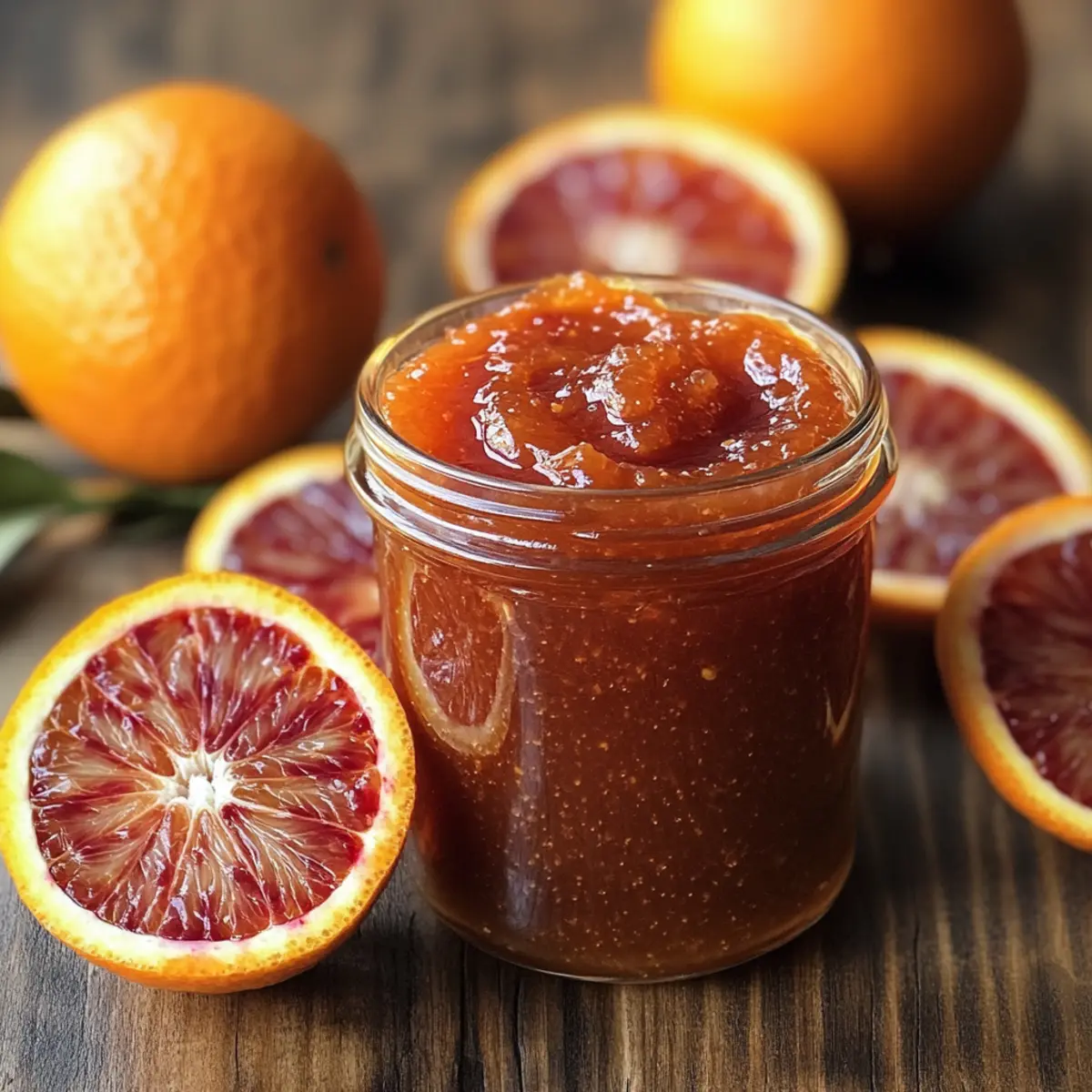
Why is Blood Orange Marmalade a Must-Make?
Vibrant Color: This marmalade boasts a stunning crimson hue that brightens any dish, making it as pleasing to the eyes as it is to the palate.
Rich Flavor: The unique blend of sweetness and tartness offers a refreshing alternative to ordinary spreads, enhancing breakfast favorites like toast and pancakes.
Versatile Use: Beyond breakfast, enjoy it as a luscious glaze for roasted meats or a sweet addition to cheese boards.
Pectin-Free Perfection: Say goodbye to store-bought pectin! This method uses the natural pectin from blood oranges, giving you total control over flavor and consistency.
Easy to Make: With simple steps spread over two days, this recipe is perfect for both novice and experienced home cooks looking to savor homemade goodness.
Ready for more garden-fresh recipes? Check out our guide on canning and preserving to broaden your culinary skills!
Blood Orange Marmalade Ingredients
For the Marmalade
• Blood Oranges – Use 12 oranges total (approx. 4.5 to 5 lbs), divided into six for soaking and six for juicing to harness their natural pectin.
• Granulated Sugar – 8 cups (4 lbs) needed to sweeten the marmalade and aid in gelling perfectly.
• Lemon Juice – Fresh juice from 2-3 lemons (approximately ¼ cup) adds acidity to balance the sweetness.
For Canning
• Canning Jars – Use hot, sterilized jars to ensure your Blood Orange Marmalade stays fresh longer.
• Water Bath Canner – Essential for processing the jars safely, preserving the delicious flavors of this homemade treat.
Get ready to transform your kitchen into a preserve-making paradise!
Step‑by‑Step Instructions for Blood Orange Marmalade
Step 1: Prepare the Oranges
Thoroughly wash 12 blood oranges under running water. Cut six oranges into quarters, then slice into thin strips, retaining the juice. Place the sliced oranges in a large saucepan, cover with water, and bring to a boil over medium heat. Once boiling, remove from heat, cover, and let them sit overnight for at least 8 hours to soften.
Step 2: Strain and Juice
The next day, strain the soaked orange rinds and pulp using a fine mesh strainer, placing them into a Dutch oven. Juice the remaining six blood oranges, and combine their juice with enough of the soaking liquid to total about 4 cups. This mixture will provide the perfect base for your Blood Orange Marmalade.
Step 3: Mix Ingredients
Add the juice mixture to the Dutch oven along with 8 cups of granulated sugar. Squeeze in fresh lemon juice from 2-3 lemons, ensuring you capture that zesty acidity. Stir well until the sugar is fully dissolved before moving on to the next step, creating a bright and sweet blend for your marmalade.
Step 4: Cook the Marmalade
Over medium-high heat, bring the mixture to a rolling boil, stirring continuously until the sugar is completely dissolved. Once boiling, reduce the heat to medium and simmer uncovered for about 20 minutes. Stir occasionally while keeping an eye on the consistency, which should begin thickening and bubbling vigorously as it approaches gel stage.
Step 5: Test for Doneness
To check for doneness, use a candy thermometer to ensure the mixture reaches 220°F (104°C) or do the cold plate test. Spoon a small amount onto a plate that’s been chilled in the freezer for a few minutes; it should gel upon cooling. Once the desired gel stage is reached, it’s time to jar the marmalade.
Step 6: Can the Marmalade
Carefully ladle the hot Blood Orange Marmalade into sterilized canning jars, leaving about ¼ inch of headspace at the top. Wipe the rims of each jar to remove any residue, then apply the lids securely. Process the jars in a water bath canner for 10 minutes (15 minutes if above 6,000 feet) to ensure a proper seal and long-term preservation.
Step 7: Cool and Store
After processing, remove the jars from the canner and let them cool undisturbed on a clean, dry surface for 24 hours. Check the seals by pressing down on the center of each lid; it should not flex up or down. Store your sealed Blood Orange Marmalade in a cool, dry place, where it will remain fresh for up to 18 months.
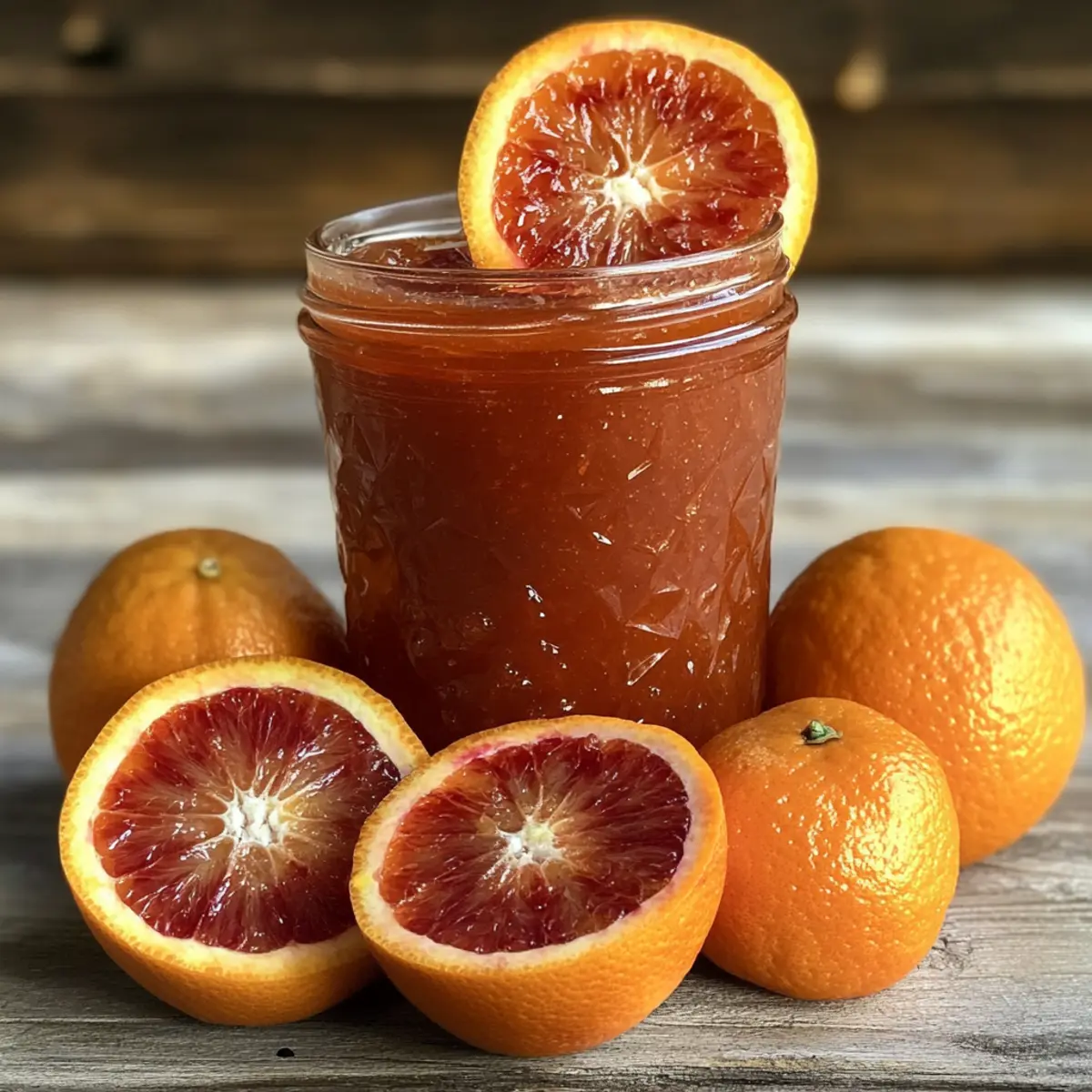
Storage Tips for Blood Orange Marmalade
- Room Temperature: Unopened jars can be stored in a cool, dry place away from direct sunlight for up to 18 months, preserving flavor and freshness.
- Fridge: Once opened, refrigerate the jar and use the Blood Orange Marmalade within 3 weeks for optimal taste and quality.
- Freezer: For longer storage, you can freeze the marmalade in airtight containers for up to 1 year. Thaw in the fridge before using to maintain best texture.
- Reheating: If the marmalade thickens during storage, gently warm it in a saucepan over low heat, stirring until it reaches the desired consistency before serving.
Blood Orange Marmalade Variations
Feel free to explore these delightful twists for your homemade masterpiece and ignite your culinary creativity!
-
Ginger Kick: Add 2 teaspoons of fresh, grated ginger with the sugar for a warm, spicy undertone that elevates your marmalade’s flavor profile. This adds a delightful zing and a comforting essence perfect for chilly mornings.
-
Mixed Citrus Melange: Substitute a portion of blood oranges with various citrus fruits like grapefruits or lemons. Feel free to mix and match according to your taste preferences, creating a bright burst of flavors with every bite.
-
Berry Blend: Swap out up to 1 cup of blood orange pulp for fresh or frozen mixed berries such as raspberries or blueberries. This fruity combination delivers a deliciously sweet and tangy marmalade that can be a showstopper at brunch!
-
Spicy Heat: For those who enjoy a little kick, consider adding a pinch of red pepper flakes or chopped jalapeños during cooking. The heat mingles beautifully with the sweetness, surprising your palate with every spoonful.
-
Herb-Infused: Add a few sprigs of fresh rosemary or thyme to your boiling mixture, allowing their fragrant essence to permeate the marmalade. Strain out the herbs before canning for a sophisticated touch that transforms your breakfast experience.
-
Vanilla Bliss: Stir in a splash of vanilla extract towards the end of cooking, giving your marmalade a warm, creamy depth. This addition pairs wonderfully with pastries or as a topping on yogurt.
Don’t forget to check out our guide on making fruit preserves for even more inspiration on how to work with the delightful flavors of fruits!
Make Ahead Options
Preparing Blood Orange Marmalade in advance is a brilliant way to save time and simplify meal planning! You can slice the oranges and soak them in water up to 24 hours ahead of the final cooking day, keeping them covered in the refrigerator to maintain their freshness. The actual canning process can also be done in batches — feel free to double the recipe and can an extra set of jars for later use. When you’re ready to finish your marmalade, simply juice the remaining oranges and combine them with the soaked rinds before proceeding with the cooking instructions. Following these steps ensures your homemade Blood Orange Marmalade will be just as delicious and vibrant, perfect for brightening any meal or spread!
What to Serve with Traditional Blood Orange Marmalade
There’s a world of flavors waiting to complement this vibrant preserve, making your breakfast or brunch unforgettable.
- Creamy Greek Yogurt: The tanginess of yogurt pairs beautifully with the sweet tartness, creating a delightful balance to your taste buds.
- Fluffy Buttermilk Pancakes: Spread a generous layer of marmalade over warm pancakes for a burst of citrusy sweetness with each bite.
- Toasted Sourdough Bread: The crunchy crust and soft interior of sourdough enhance the marmalade’s flavors, making it a blissful addition to your morning routine.
- Savory Cheese Platter: Serve with tangy goat cheese or sharp cheddar for an exquisite contrast between sweet and savory flavors on your cheese board.
- Glazed Roasted Chicken: Use the marmalade as a glaze for juicy roasted chicken or pork, infusing your dishes with a fragrant citrus note.
- Herbal Tea: A cup of freshly brewed herbal tea, like chamomile or peppermint, complements the marmalade and rounds out a relaxing morning experience.
- Juicy Fruit Salad: Pair it with a fruit salad featuring fresh berries and melons for a refreshing and colorful breakfast option.
- Chocolate Croissants: The rich, buttery layers of chocolate croissants paired with the sweet acidity of the marmalade create a dreamy, indulgent treat.
- Sparkling Water with Lemon: For a refreshing drink, serve sparkling water with a splash of lemon, mirroring the brightness of the marmalade.
- Vanilla Ice Cream: For a decadent dessert, drizzle warm marmalade over vanilla ice cream, allowing the flavors to harmonize in every scoop.
Expert Tips for Blood Orange Marmalade
-
Choose the Right Oranges: Opt for thin-skinned blood oranges to make slicing easier and enhance the gel formation for your marmalade.
-
Rolling Boil: Ensure the marmalade mixture reaches a steady rolling boil for consistent results. This is crucial for achieving proper gelling without added pectin.
-
Avoid Excess Pulp: Use a slotted spoon to separate orange pieces from the soaking liquid effectively, which helps prevent excess pulp in your finished Blood Orange Marmalade.
-
Test for Gel Stage: Use the candy thermometer method or the “cold plate” test to confirm the gel stage. Inconsistencies at this stage can lead to runny marmalade.
-
Proper Sealing: When canning, leave a ¼ inch of headspace and wipe jar rims to ensure a proper seal, preventing spoilage and extending shelf life.
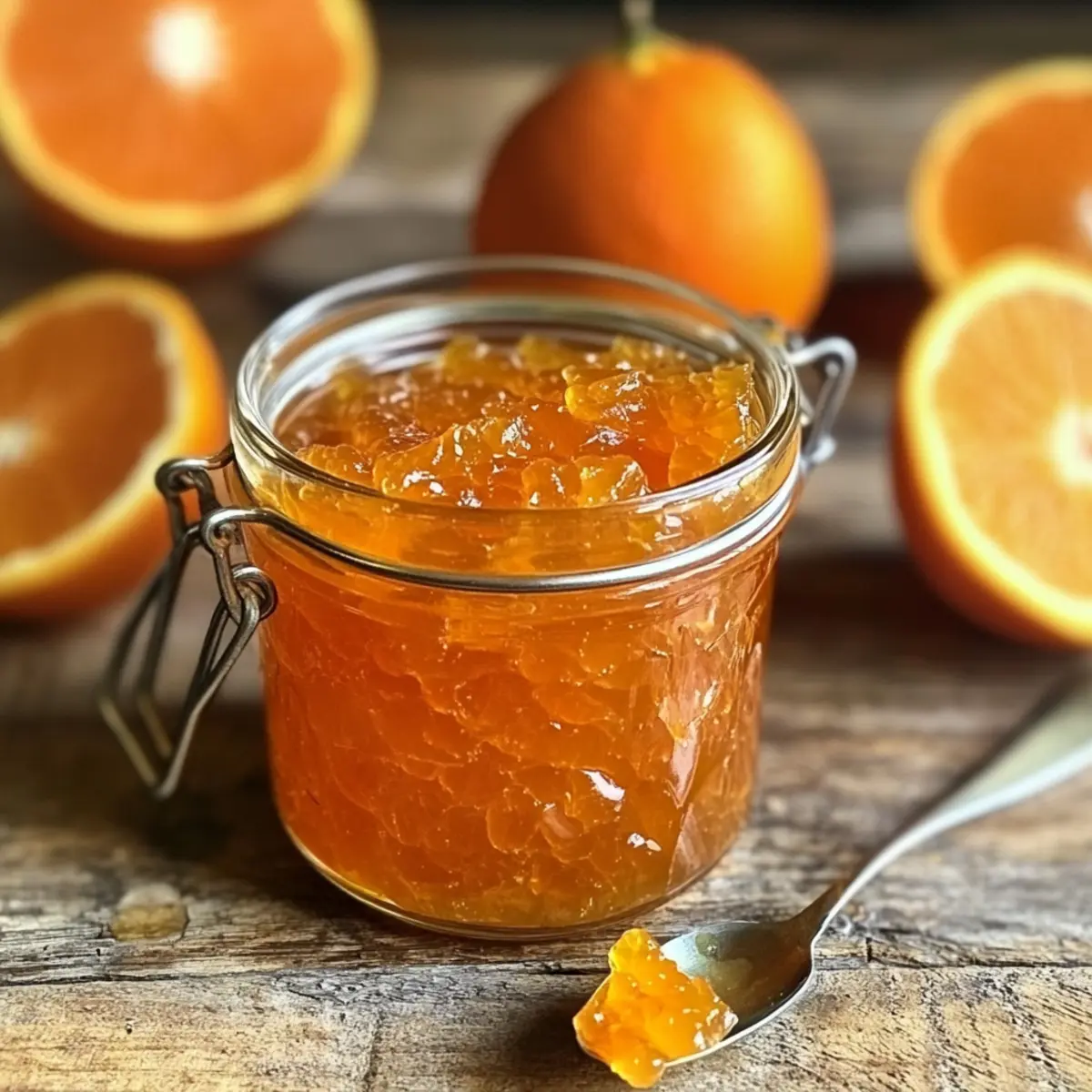
Blood Orange Marmalade Recipe FAQs
What is the best way to select and ripen blood oranges?
Absolutely! Choose blood oranges that are firm, plump, and heavy for their size. Look for skin with rich coloration—if they have dark spots all over, they may be overripe. If your oranges need ripening, simply leave them at room temperature for a few days until they become fragrant.
How should I store my Blood Orange Marmalade after making it?
For unopened jars, store them in a cool, dry place away from sunlight, where they can last up to 18 months. Once opened, refrigerate the jar and try to use the marmalade within 3 weeks for the best flavor.
Can I freeze Blood Orange Marmalade, and how do I do it?
Yes, you can! To freeze, place the marmalade in airtight containers, leaving some space at the top for expansion. It can be frozen for up to 1 year. When ready to use, simply thaw it in the refrigerator overnight for optimal texture.
What should I do if my marmalade doesn’t gel properly?
Not to worry! If your Blood Orange Marmalade isn’t setting, you can reheat it. Pour the marmalade back into a pot, add a bit more lemon juice, and cook it over medium heat. Boil for about 5-10 more minutes while stirring constantly, then perform the cold plate test to check for a gel. If needed, you might try adding a bit of pectin today to help it along.
Is Blood Orange Marmalade safe for pets?
While blood oranges themselves are not toxic to pets, it’s best to keep any marmalade away from them. The sugar content and acidity from lemon juice could upset their stomachs. Always check with your vet if you have concerns about specific food for your pet.
What are some common allergies to consider with Blood Orange Marmalade?
Blood oranges and lemons are generally safe for most, but always be aware of citrus allergies. If you or someone you’re preparing it for has allergies, consider making a small batch or substituting other fruits to create a customized marmalade that suits your needs.
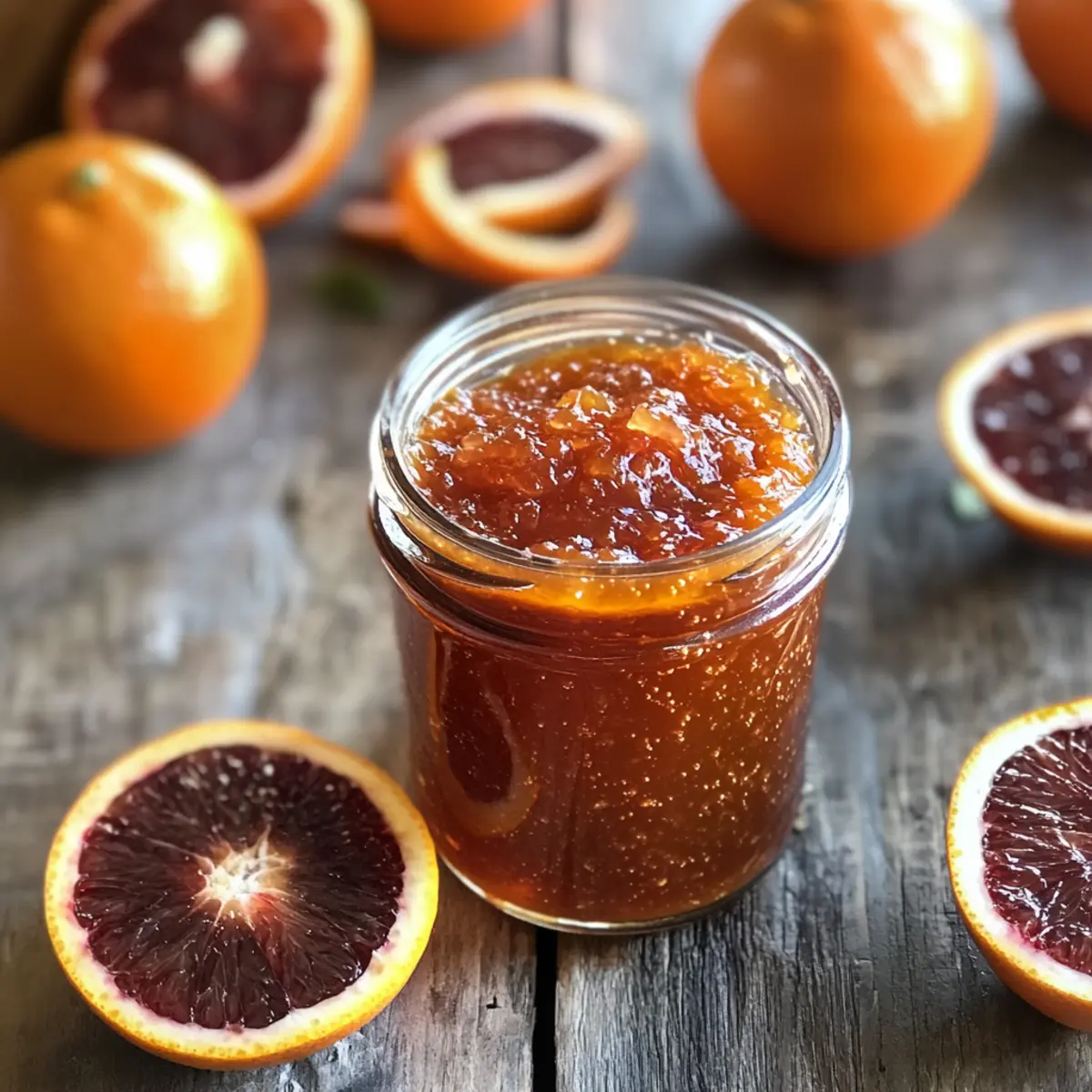
Homemade Blood Orange Marmalade for Bright Breakfast Bliss
Ingredients
Equipment
Method
- Thoroughly wash 12 blood oranges under running water. Cut six oranges into quarters, then slice into thin strips, retaining the juice. Place the sliced oranges in a large saucepan, cover with water, and bring to a boil over medium heat. Once boiling, remove from heat, cover, and let them sit overnight for at least 8 hours to soften.
- The next day, strain the soaked orange rinds and pulp using a fine mesh strainer, placing them into a Dutch oven. Juice the remaining six blood oranges, and combine their juice with enough of the soaking liquid to total about 4 cups.
- Add the juice mixture to the Dutch oven along with 8 cups of granulated sugar. Squeeze in fresh lemon juice from 2-3 lemons, ensuring you capture that zesty acidity. Stir well until the sugar is fully dissolved.
- Over medium-high heat, bring the mixture to a rolling boil, stirring continuously until the sugar is completely dissolved. Once boiling, reduce the heat to medium and simmer uncovered for about 20 minutes.
- To check for doneness, use a candy thermometer to ensure the mixture reaches 220°F (104°C) or do the cold plate test. Spoon a small amount onto a plate that's been chilled in the freezer for a few minutes; it should gel upon cooling.
- Carefully ladle the hot Blood Orange Marmalade into sterilized canning jars, leaving about ¼ inch of headspace at the top. Wipe the rims of each jar to remove any residue, then apply the lids securely.
- After processing, remove the jars from the canner and let them cool undisturbed on a clean, dry surface for 24 hours. Check the seals by pressing down on the center of each lid.